Choose the right tour provider:
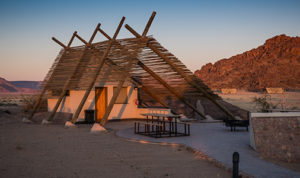
Up to this point we’ve talked a lot about how to set yourself up for the perfect self-drive holiday, but there are many intrepid adventurers who are not keen on driving themselves, especially if you are uneasy about driving on rough and unknown terrain. This is where choosing the right Namibian tour provider is one of the most important decisions you will make. These days, there are more options and providers than ever before and selecting the right one, to suit both your needs and your holiday expectations, is a consideration that you have to think very carefully about before making your final decision. And you shouldn’t make your decision solely on the price. You should read the reviews for the operator, as a way to get a few references, and you should look at the itineraries on offer and the places you will be visiting. You should also consider the number of days spent on tour and the type of accommodation you can look forward to staying at. The accommodation is especially important as you don’t want to camp if you’ve had your heart set on staying in a fancy lodge.
The Right Time of the Year to Travel to Namibia
From July to October, in the heart of the Namibian winter, it is the right time of the year to travel to Namibia. In the desert the days are never terribly cold, although the nights can be quite nippy, so travellers will need to pack some winter stuff. Namibia has wonderful weather all year round and during the months between July and October, the day time temperatures generally reach just above 20 degrees Celsius. This is the perfect weather for spending hours on the road and it is equally fantastic for spotting wildlife. Because it is the preferred time of the year to travel in Namibia, it is considered the peak season, making it immensely important to book your tour well ahead of time. The winters in Namibia are absolutely nothing like the winters of North America and Europe. While the northern hemisphere can have icy days, snow and cloudy skies, Namibian winter days are hot and there is always a chance of a thunderstorm rocking the skies. The winters are also dry, far drier than summer.
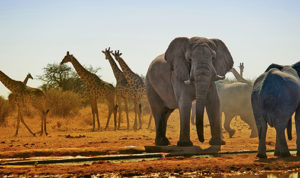
If you wish to pin down that one perfect month to travel to Namibia, September is it. With Spring in the air and the days warming up, but not yet that piping hot that you can expect in the midst of summer, when you travel in September, you can expect gorgeous clear blue skies, and pleasant evenings, with that icy winter chill on its way out. This time of the year, the summer rains have not yet arrived and water sources are minimal in those places where there are wildlife populations. This lack of water actually improves your chances of seeing animals, as they tend to group around the minimal water sources that are available. Although these are the best times of the year to travel to Namibia, there are plenty of good reasons to travel there at other times of the year. If you are looking for that real African experience, travelling in the height of the summer can be one of the best things you do. Be prepared for some real heat, the kind of heat that feels like it gets into your soul and leave you feeling like you are walking on a cloud.
Should you decide to travel in the summer months, make sure that you have fully prepared yourself for the experience. You will not only need to have the right kind of clothing, but you will also need to remember to stay hydrated and take your time while travelling. When on the road in summer, you will need to take it easy, and perhaps only travel in the cooler hours of the day. There are also a number of “events” happening throughout the year that make travelling outside of the optimal times well worth it. In November through to February, the Flamingos arrive in the Swakopmund area where they settle in the lagoon and enjoy a feast! Their beautiful feathers can be seen from a great distance and make for a truly stunning sight!
The Namibian Bucket List
With so many incredible destinations to visit and things to do, creating a Namibian bucket list is a must for every tourist, because you don’t want to miss an exciting attraction. When you are travelling through this stunning country, you should plan to visit these places and take part in these fun activities. You will leave the country is a new appreciation for the great outdoors, and for Africa. Up to this point we’ve talked a lot about how to set yourself up for the perfect self-drive holiday, but there are many intrepid adventurers who are not keen on driving themselves, especially if you are uneasy about driving on rough and unknown terrain. This is where choosing the right Namibian tour provider is one of the most important decisions you will make. These days, there are more options and providers than ever before and selecting the right one, to suit both your needs and your holiday expectations, is a consideration that you have to think very carefully about before making your final decision. And you shouldn’t make your decision solely on the price. You should read the reviews for the operator, as a way to get a few references, and you should look at the itineraries on offer and the places you will be visiting. You should also consider the number of days spent on tour and the type of accommodation you can look forward to staying at. The accommodation is especially important as you don’t want to camp if you’ve had your heart set on staying in a fancy lodge.
The Right Time of the Year to Travel to Namibia is from July to October, in the heart of the Namibian winter, is the right time of the year to travel to Namibia. In the desert the days are never terribly cold, although the nights can be quite nippy, so travellers will need to pack some winter stuff. Namibia has wonderful weather all year round and during the months between July and October, the day time temperatures generally reach just above 20 degrees Celsius. This is the perfect weather for spending hours on the road, and it is equally fantastic for spotting wildlife. Because it is the preferred time of the year to travel in Namibia, it is considered the peak season, making it immensely important to book your tour well ahead of time. The winters in Namibia are absolutely nothing like the winters of North America and Europe. While the Northern Hemisphere can have icy days, snow and cloudy skies, Namibian winter days are hot and there is always a chance of a thunderstorm rocking the skies. The winters are also dry, far drier than summer.
If you wish to pin down that one perfect month to travel to Namibia, September is it. With Spring in the air and the days warming up, but not yet that piping hot that you can expect in the midst of summer, when you travel in September, you can expect gorgeous clear blue skies, and pleasant evenings, with that icy winter chill on its way out. This time of the year, the summer rains have not yet arrived and water sources are minimal in those places where there are wildlife populations. This lack of water actually improves your chances of seeing animals, as they tend to group around the minimal water sources that are available. Although these are the best times of the year to travel to Namibia, there are plenty of good reasons to travel there at other times of the year. If you are looking for that real African experience, travelling in the height of the summer can be one of the best things you do. Be prepared for some real heat, the kind of heat that feels like it gets into your soul and leave you feeling like you are walking on a cloud.
Should you decide to travel in the summer months, make sure that you have fully prepared yourself for the experience. You will not only need to have the right kind of clothing, but you will also need to remember to stay hydrated and take your time while travelling. When on the road in summer, you will need to take it easy, and perhaps only travel in the cooler hours of the day. There are also a number of “events” happening throughout the year that make travelling outside the optimal times well worth it. In November through to February, the Flamingos arrive in the Swakopmund area where they settle in the lagoon and enjoy a feast! Their beautiful feathers can be seen from a great distance and make for a truly stunning sight! The Namibian Bucket List with so many incredible destinations to visit and things to do, creating a Namibian bucket list is a must for every tourist, because you don’t want to miss an exciting attraction. When you are travelling through this stunning country, you should plan to visit these places and take part in these fun activities. You will leave the country is a new appreciation for the great outdoors, and for Africa.
Go to the mountains:
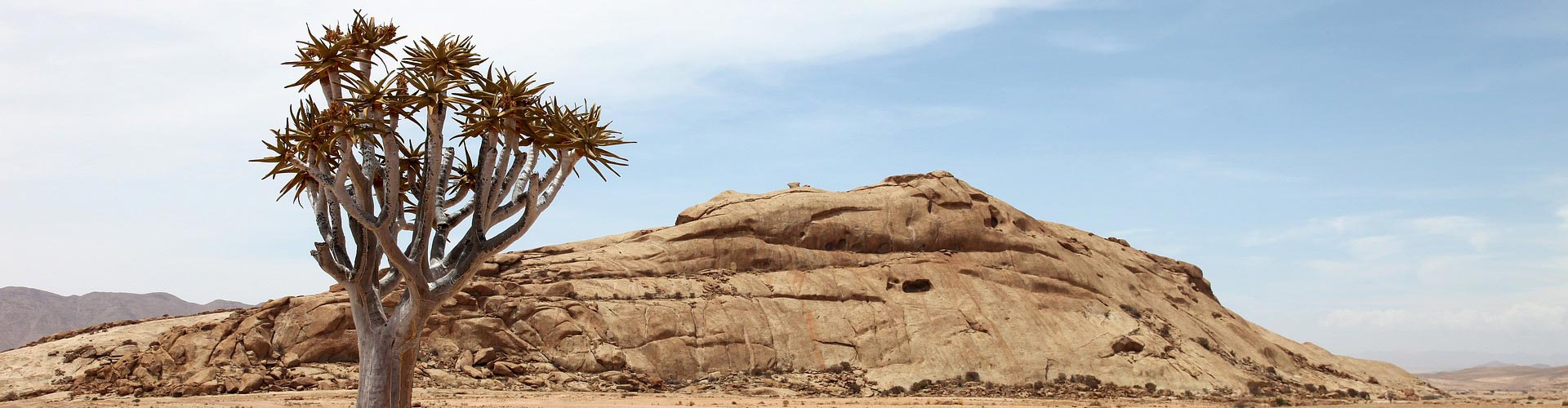
Although it is the desert and the towering dunes that are the big allure, the mountains around the country are just as spectacular and are well worth the visit. The most famous mountains are the Spitzkoppe Rocks.
They are the perfect place to take a few photos, and they are found between the Usakos and Swakopmund. These mountains stand a magnificent 1728 meters from the ground and given the surrounding flat desert, the mountains really stand out.
If you are already in the Sossusvlei area, the Spitzkoppe Rocks are a 500 km ride away. The rocks can be explored on foot, or you can enjoy them from a distance. They do make quite the stunning background for photos.