

Along Botswana’s northern-most edge, where the Chobe River reaches out to Namibia’s green Caprivi Strip, the Chobe River Front is a wide stretch of floodplains and woodlands within Chobe National Park that is an exceptional place for an escape from the mundane.
Home to around 120 000 elephants and a symphony of other incredible wildlife, this riverside safari spot draws those keen to visit a place that is remote and almost tailor-made for those with a fierce love for nature.
Chobe is one of the biggest safari destinations in Botswana, and it is a great place to go all year round, with the park’s large wildlife populations making for some exceptional game sightings.
Gird your interest, yield to that pull of the wild, and gear up for many moments of pure astonishment as we go through the standout fun facts about this Botswanan treasure we’re betting you’ve never heard before!

What is Chobe River Front famous for?
Did you know the Chobe River Front hosts the world’s largest elephant gatherings, with herds swelling to thousands along the banks? Or that zebras trek Africa’s longest big mammal migration, clocking 300 miles between Namibia and Chobe’s floodplains? Perhaps you’ve heard how the river’s waters sometimes flow backwards, nudged by the mighty Zambezi?
These snippets, plus a host of others, make the Chobe River Front a standout on Botswana’s travel map. It’s a place where the ordinary flips to extraordinary, pulling in nature enthusiasts year after year to enjoy some of the continent’s most unique and exciting wildlife sightings.
Strap in for a wild ride, unleash your inner explorer, and get ready to be blown away by jaw-dropping fun facts about Botswana’s Chobe River Front that you’ve probably never heard before.

- Its founding has a layered history
Early adventurers found the calm shallows of the river front teeming with fish stocks, but it was only much later on, in the 20th century, that this special area started to get outside attention.
In 1931, conservationists floated the idea of creating a protected zone to shield the area’s beasts and lure the visitors.
By 1932, a big swath around the Chobe district, around 24 000 square kilometres in total, was dubbed a no-hunt area.
The size of the protected area ballooned to 31 600 the following year.
Fast-forward to 1968, and it had bloomed into Botswana’s inaugural national park, Chobe, with the river front as its most beautiful attraction.
The 1990s came with a bit of drama. A border spat with Namibia over Sedudu Island, a sandy nub in the river’s midst, landed before the International Court of Justice. Ultimately, Botswana claimed the win in 1999.
Today, this stunning waterway is a protected habitat and an important part of the greater heritage of Botswana, which is well-known for having the most impressive wildlife conservation efforts in Africa!
- It has More than one Name
The Chobe River doesn’t stick to one moniker on its journey, and this kind of creates some confusion amongst travellers (including this writer).
In Angola, where the river starts, it is called the Kwando. Then, after a few twists and turns, it becomes the Linyanti when it flows into the Linyanti Swamp. And when it reaches Botswana, it gets the name Itenge near Parakurungu before settling as the Chobe by Ngoma Gate. It keeps the name Chobe before it eventually meets the Zambezi, where it converges.
It’s a mouthful, and a lot to keep in mind if you are following the river, but why the shuffle?
The name changes mostly have to do with regional areas, geological fault lines and geographical features that yank it this way and that, creating marshes and spillways along the way.
Locals say it’s the river’s way of dodging predictability, but in reality, it is just one of those wonderful flukes of nature.

- It’s a Wildlife Bonanza
And its scenery? That is equally mesmerising!
The Chobe River Front wraps around verdant floodplains, mopane groves, and acacia-dotted plains, creating a stunning array of habitats that are home to all sorts of indigenous wildlife.
Naturally, it’s packed with pursuits to fill your days with the best kind of sightings, from dawn patrols to dusk floats, leaving you knackered yet buzzing.
Some of the top things to do at the riverfront include river jaunts where you’ll hear hippos grunt and occasionally spot crocs just below the surface, their eyes peeking out from time to time, or you can take a drive on land, watching lion prides lazing about, and antelope munching on grass amid buffalo mobs.
The area is also home to the shy Puka antelope, a reddish-brown beauty that can only be seen here. These shy grazers disappear into the grassy edges, making them an incredibly rare and special sighting.
- It Draws Elephant Hordes!
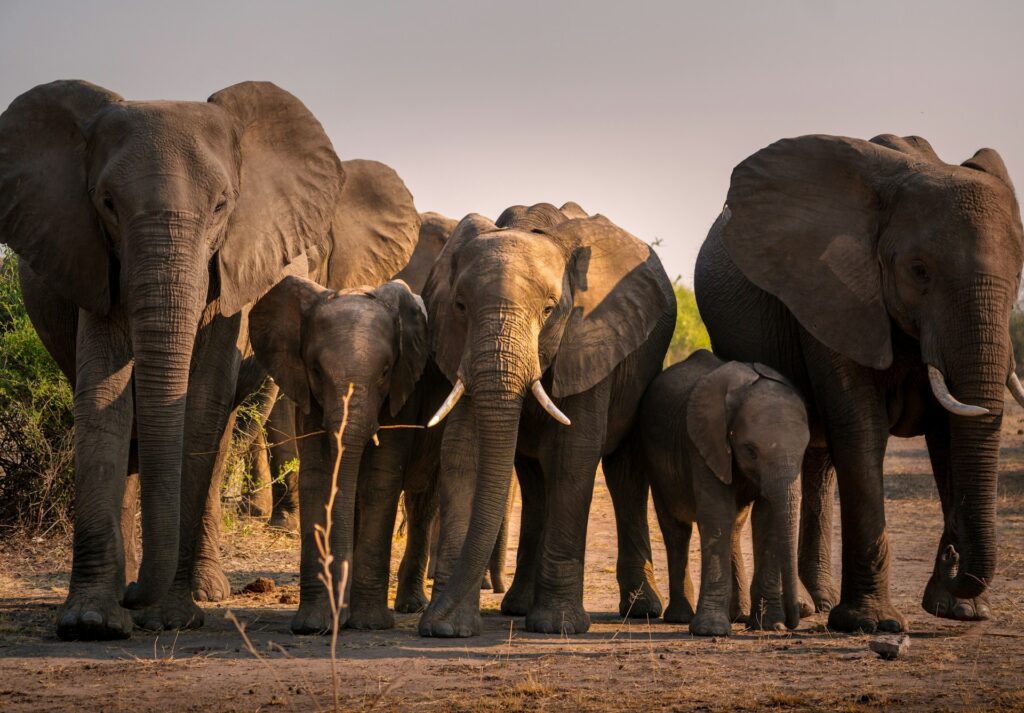
If you’ve always wanted to see elephants in great numbers, this is the place to do so, and the river front will absolutely not disappoint you for a moment if you plan your trip for the right time of the year.
While elephants dominate year-round, their dry-season arrival is a safari spectacle. Come May to October, the dry spell funnels up to 10 000 elephants a day to the water’s edge, with the matriarchs leading calves and the rest of the family splashing across the shallows like a grey armada.
Chobe’s lagoons and channels also form vital wetlands, sheltering crocodiles that can grow to a terrifying and impressive 5 metres, and hippo pods numbering hundreds.
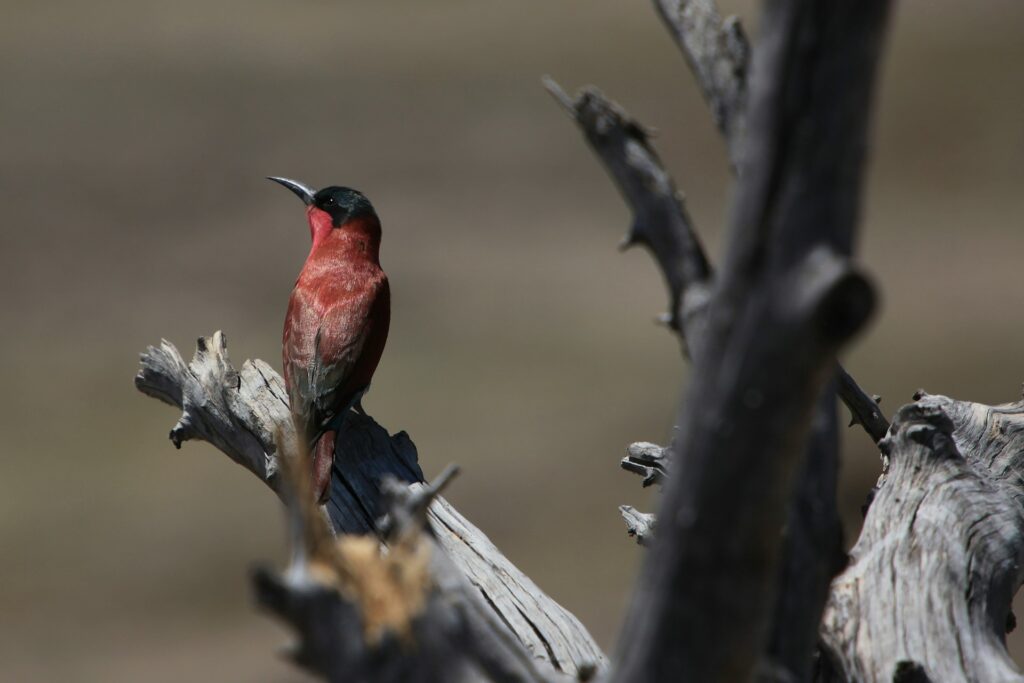
And if you love watching birds, a visit to Chobe will certainly not disappoint. Giant kingfishers, Fish Eagles, and Southern Carmine Bee-Eaters, to name a few, can be regularly spotted here.
- It’s Made for Watery Escapades
The Chobe River Front’s position makes it just the place to enjoy a few aquatic antics.
Steady breezes whip up ripples that will have your boat drifting slowly along the water, where you can look for wildlife or for birds.
There are also calmer pockets that are suitable for mokoros that will take you through papyrus-fringed channels.
If your Botswana trek includes this stretch, have a look at the inclusions on offer, as many outfits bundle cruises, though extras like private houseboat hires will certainly add an extra lavish layer.
And speaking of extensions, a visit here can include a Namibia tour too. The Chobe River Front is close enough to Namibia that it is often merged into a Namibia safari or even a holiday in Zimbabwe to see the Victoria Falls.
- It Has a Few Geological Peculiarities
A quick hop from the main river channel, you’ll find the Selinda Spillway, a bone-dry channel that only springs to life during hefty floods, linking the Okavango to the Chobe like a seasonal vein.
The area’s bedrock is ancient, too.
Aeons back, this was a shallow sea, and we know this because the fossils of ancient clams and corals can be found in the area. If you happen to be strolling the riverbanks, make sure that you look for these relics. You’ll be really lucky to find one of the millions of years-old fossils.

- It has Africa’s Longest Mammal Marathon
Chobe is the finish line for Africa’s longest known big-mammal migration.
Every year, zebras trek an epic 483 km from Namibia’s Nxai Pan to the Chobe floodplains, a route that is a test of endurance. The zebras navigate through Namibia’s harsh landscapes, crossing into Botswana and skirting the edges of the Kalahari Desert’s fringes before reaching the Chobe River Front. The migration usually starts when the rainy season begins, between November and December.
Trips to Chobe are not normally marketed as Namibia tours, given that Chobe National Park is in Botswana, but since it borders Namibia, it’s often included in tours to close to the area.
Trade the everyday for an extraordinary escape along Botswana’s northern edge, where you’ll get to watch herds of elephants gathering at the water’s edge, as the river glows like liquid amber at dusk.
It’s the epicentre of Chobe National Park’s riverine ecosystem, famous for massive elephant herds (over 120 000), diverse birdlife (450+ species), and stunning floodplains teeming with wildlife.
May to October (dry season) for peak elephant gatherings and easy game viewing; November to April for lush landscapes, bird migrations, and fewer crowds.
Take boat safaris on the Chobe River for close-up views of animals drinking at sunset, safer and more intimate than game drives.
Yes, with guided tours and luxury lodges nearby like Chobe Game Lodge, anti-malarial precautions are advised, but wildlife encounters are exciting and safe.
Absolutely, around 300 zebras trek 300 miles from Namibia’s Nxai Pan to Chobe’s floodplains annually, peaking in the wet season (Nov-Dec).
