

If you’ve ever dreamed of having a getaway that’s both grounding and exhilarating, a beach safari in Namibia might just be the holiday you didn’t know you needed.
The Namibian coastline stretches up the west boundary of the country for around 1 572 kilometres. Between the attractions along this stretch, there are great expanses of desolate emptiness, where it’s just you, the beach, the distant dunes and the dreadfully cold Atlantic Ocean. Driving through dry desert and then suddenly encountering dense fog can feel alarming and otherworldly, but it makes for an experience unlike any other.
It’s safe to say that a beach safari in Namibia isn’t your typical safari. Going from tasting the salt on your lips and watching the waves to walking through small towns with the best kind of vibe is far from the stereotypical safari trip.
If you are looking to experience the very best of Namibia, a trip that will take you from the lively city to the windswept coast, or vice versa, in this guide, we’re sharing some helpful information that you can use to make your plans, and in the video below, you can see where this kind of journey will take you.
What is a “beach safari”?
A beach safari in Namibia is an intoxicating mixture of desert and coast.
It’s the sort of holiday that will give you a complete taste of what the country has to offer, by guiding you on a route that includes wildlife, dunes, beaches, small towns, coastal attractions and activities, and plenty of time to relax, whether you do so while meditatively driving the long and quiet roads, or while walking the sands, with the wind in your hair.
A beach safari in Namibia can include 4×4 drives across ochre dunes, and tracking desert-adapted elephants and lions that somehow thrive in this surreal landscape, before swapping the dry desert hum for the invigorating ocean spray as you kayak among dolphins and seals in Walvis Bay, or take a quad bike ride along Swakopmund’s stunning shoreline.
A beach safari in Namibia is just the sort of holiday for anyone daydreaming about a modern castaway-style retreat from the world.

Is Swakopmund worth visiting?
Swakopmund is quirky and eclectic, often attracting the more artistic souls. It is renowned for its stunning German architecture and is a significant part of Africa’s coastal heritage.
Many travellers are attracted to Swakopmund because it is the sort of place that can keep you guessing what will happen next, even if you have a travel itinerary in place.
Swakopmund is where a beach safari in Namibia slows down a little, giving you time to catch your breath, surf the dunes, sip local gin while watching the sunset, and chat with locals who’ll tell you there’s no place quite like it.
Home to just under 60 000 residents, the town is a real vibe in every sense of the word and has numerous different attractions to keep you busy or help you chill.
You can visit coffee shops that roast their own beans and dine at seafood restaurants serving oysters plucked straight from the bay.
The Swakopmund Jetty is perfect for a quiet sunset stroll, and if you are a fan of the German-style architecture, you can visit the Woerman House, which is now a library, or the Altes Gefängnis prison.
You can also spend some of your time at the National Marine Aquarium, where you can see marine life, like stingrays, sharks and Cape fur seals, which survive the harsh cold Benguela Current. This is Namibia’s only aquarium.

Other attractions worth visiting include the Swakopmund Museum, which is a treasure trove of natural history and local culture, and the Kristall Galerie, home to one of the world’s largest quartz crystals.
Game viewing in and around the town is not as plentiful as you find if you were visiting a dedicated safari destination like Etosha, but if you are a budding botanist, you will want to earmark some time in your calendar to visit the Goanikontes oasis or the area around the Khan River. In this area, you will be able to see the Welwitschia mirabilis plant, a living fossil of sorts that is able to live well over 1000 years!
Adrenaline-seekers visiting Swakopmund can go sandboarding or quad biking in the dunes, and there is also the option of dolphin cruises in nearby Walvis Bay. A great way to spend a day in the town is to spend a morning browsing boutiques and art galleries before winding down with a beach picnic or craft beer tasting at The Tug or Swakopmund Brewing Company.
Swakopmund has that rare kind of energy that makes it stick around in your memory long after you’ve left. It’s the perfect coastal chapter in your beach safari in Namibia, where you will find freedom, relaxation and some excitement, if it is an adventure you’re after.

When is a good time to visit Swakopmund?
Swakopmund is a year-round destination, but for a beach safari in Namibia, the sweet spot is between May and October.
The skies are clear and cobalt blue, the air is crisp but warm enough to be comfortable all throughout the day, and the small amount of wildlife sightings you might have here are at their peak, as the inland parks’ watering holes begin to dry up.
Coastal mornings can be misty, a lovely subject for photography, while the afternoons bask in golden warmth.
May to October are the winter and early spring months in Namibia, and so you’ll want to make sure that you pack clothing that will allow you to dress in layers. A warm jacket and pants are a must because the mornings and evenings in this desert environment can get cold. But you’ll also want some light clothing, because by midday, and especially when out in the sunshine, you run the risk of overheating.
If you fancy fewer crowds and soft light, late April or early November are better times to travel.

What should I know about Swakopmund Sands?
Swakopmund Sands Hotel is a popular hotel in the town, and it is near the beach, on what’s been dubbed the Platinum Mile.
Its rooms open up to sea breezes and the soothing sound of waves, giving you just the place for a peaceful pause in your beach safari in Namibia itinerary.
The suites at Swakopmund Sands are spacious, the design is thoughtful, and their delicious breakfasts are sure to set you up for a busy day of dune adventures. The hotel also provides a same-day laundry service, Wi-Fi, and it is close to some of the town’s best restaurants.
The hotel is far from flashy, and that’s exactly why travellers love it. It feels authentic, warm, and wonderfully unhurried.
What is the significance of Heroes’ Acre?
A short drive from Windhoek, Heroes’ Acre is a national monument honouring Namibian independence heroes. It is also a burial ground for those who have in some way or another contributed to the country’s history, culture and fight for liberation.
The site was erected in 2002, around 10 km south of Windhoek, and it gives visitors a moment for reflection and perspective.
Heroes’ Acre acts as a reminder to both citizens and travellers of the country’s resilience and pride. It’s often the final chapter of a beach safari in Namibia, bringing context and meaning to the journey.
Standing there, gazing over the valley below, you will realise that Namibia has an incredible legacy and while its population might be small, its people are mighty.

What’s on offer at the Windhoek Game Camp?
Set just outside the capital, a short 20 minutes north of the city, Windhoek Game Camp is just the spot to see giraffes, zebra, and antelope without leaving the property.
It’s a great finale or start to your beach safari in Namibia.
Windhoek Game Camp has 8 luxury tents, a place to go on nature walks, free Wi-Fi, and a pool. As for dining, the camp has a restaurant, where guests can have a complimentary breakfast each morning before they set out on an adventure, as well as a spacious self-catering kitchen for those who prefer to make their own meals.
The camp is only available to overnight guests, so you can look forward to peace and privacy.
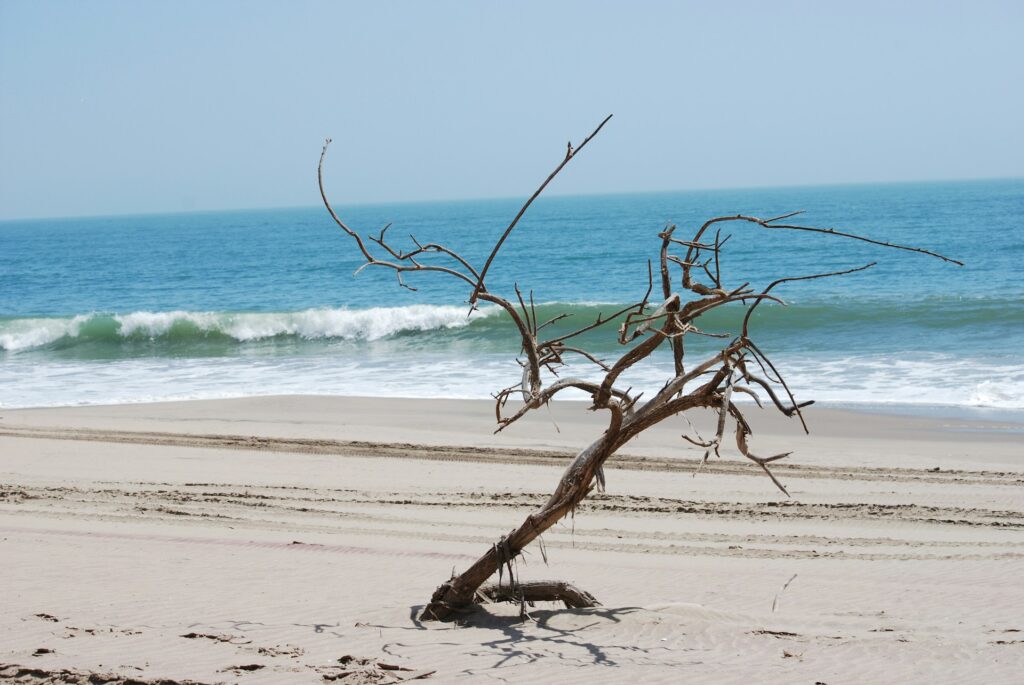
A beach safari in Namibia can be a gentle reawakening. It’s the sort of holiday where the city clocks lose their power, and where, for once, you can just relax without having to worry about the pressures of your daily stresses.
Between the hush of the dunes and the hush of the tide, you’ll find a kind of peace that your soul has been yearning for. All you need to do now is book your spot.
Etosha National Park tops the list for classic safaris, but for a unique twist, the Skeleton Coast and Damaraland regions redefine the concept with their raw beauty and desert-adapted wildlife.
Yes! Namibia’s Atlantic coast, particularly Swakopmund and Walvis Bay, is ideal for those seeking a beach escape with a wild edge.
Absolutely. Namibia’s entire western border is a coastline, with beaches that stretch endlessly and are often kissed by fog.
You can, but you might not want to, as the Benguela Current keeps the water cold. Many prefer kayaking or sandboarding instead!
Windhoek lies roughly 350 km from the Atlantic, or about a four-hour drive to Swakopmund, a scenic journey with landscapes that change from city pulse to ocean breeze.
