

Windhoek is Namibia’s compact capital, a place where interesting German colonial architecture meets the warmth of African cultures and modern city life.
It is usually treated as a convenient start and end point for Namibia safaris, with travellers flying into Hosea Kutako International Airport and, without a second glance at the city, heading straight out to Sossusvlei, Etosha, or the Skeleton Coast.
But Windhoek, while not as old as the Namib Desert or as exciting as watching a lion in Etosha, is a fascinating place to explore and a tourist destination in its own right.
In this guide, we’ll help you plan the perfect Windhoek extension, from the best time to visit and how to get around, to the top attractions, restaurants, and accommodation options that make this capital city in the midst of a 55-million-year-old desert worth the extra day.
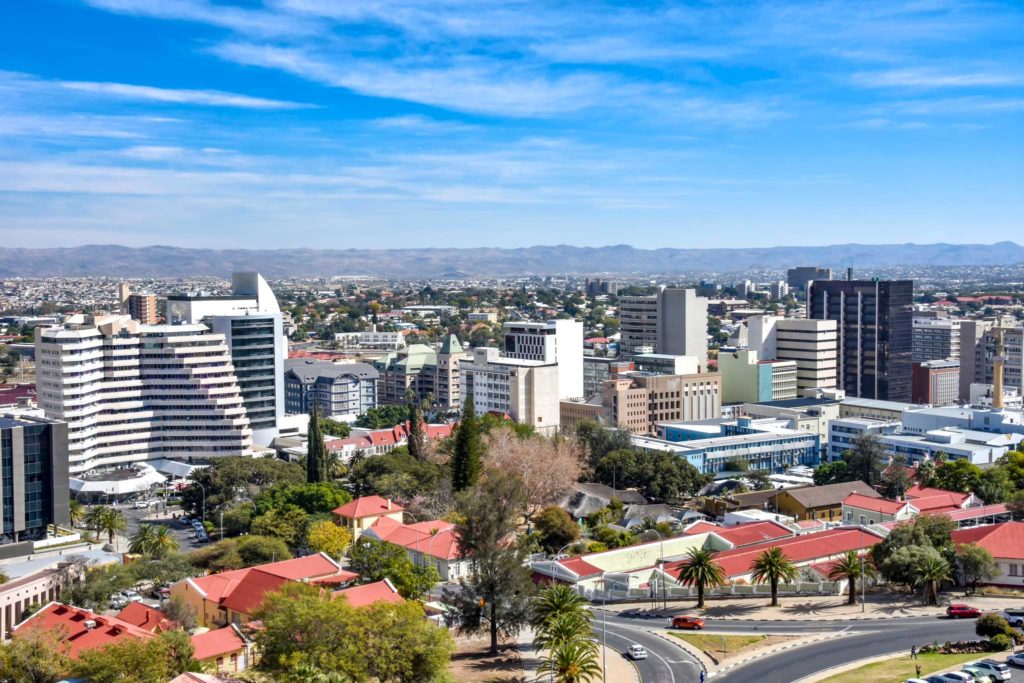
Where is Windhoek?
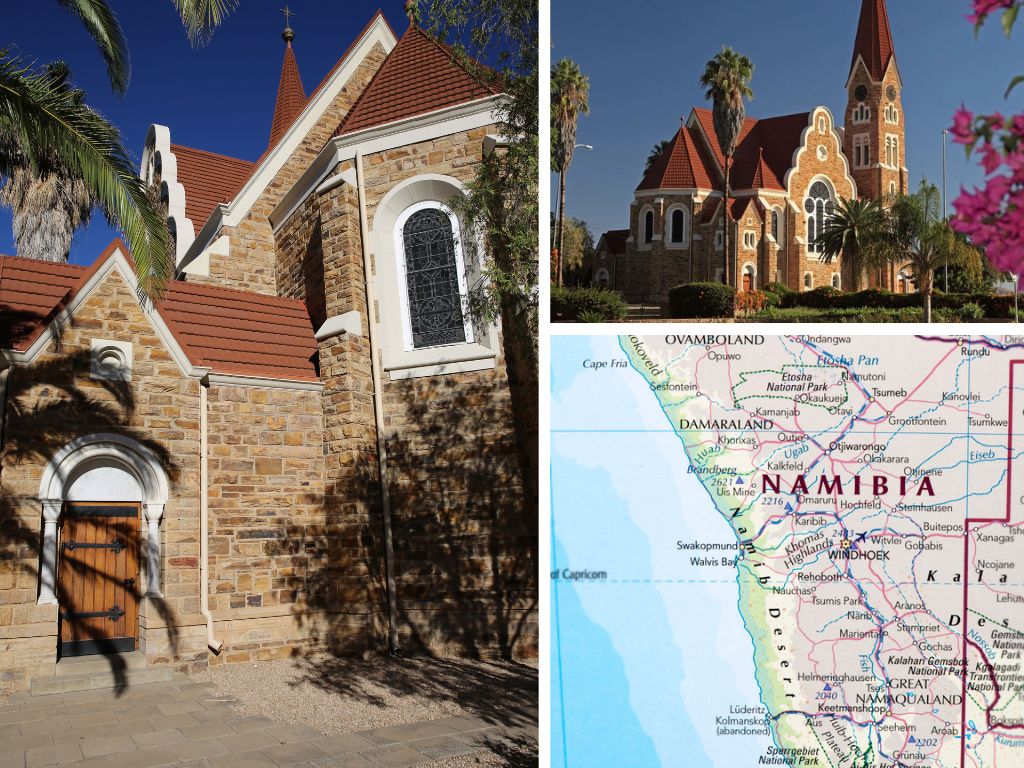
Windhoek is Namibia’s capital and largest city, and it is roughly in the geographic centre of the country, in the Khomas Region.
It was built in a valley between the Auas and Eros Mountains, at an altitude of about 1 650 metres (or 5 410 feet), which gives it a pleasantly mild climate despite being surrounded by desert that sees temperatures regularly rise into the high 40s°C.
The city is about a 45-minute drive from Hosea Kutako International Airport (WDH), Namibia’s main international gateway, which is why it is so easy to miss the city altogether when you arrive and leave, depending on the direction you travel to and from the airport.
It is about a 6-hour drive from Sossusvlei via the B1 and C24 roads, and to the north, Etosha National Park is approximately a 4- to 5-hour drive away.
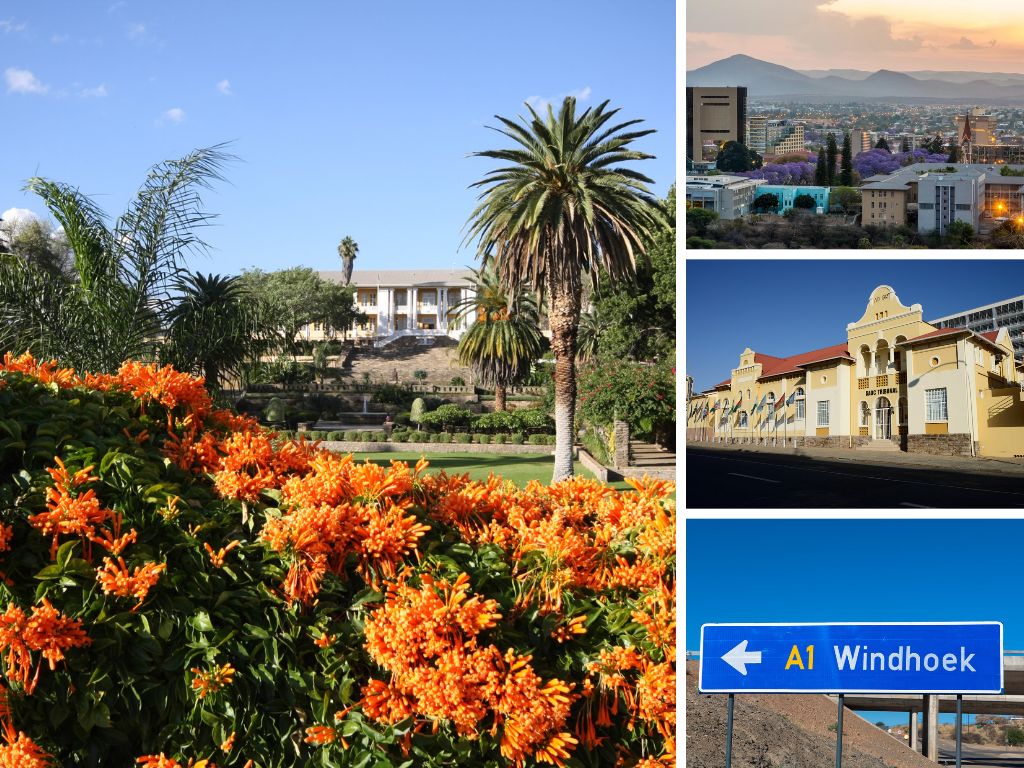
What is there to do in Windhoek?
Windhoek may be small by capital city standards, but it packs a surprising amount into its streets.
From historic landmarks and museums to craft markets, nature reserves, and excellent restaurants, there’s plenty to fill an extra day or two. This is what you can get up to during your visit:
Explore the Historic City Centre
One of the best ways to start your Windhoek experience is in the city centre, where many of the top attractions are within easy walking distance of one another.
From the city centre, one of your first stops can be Christuskirche (Christ Church), Windhoek’s most photographed landmark. Built between 1907 and 1910 during German colonial rule, this striking Lutheran church is a stunning blend of Art Nouveau and neo-Gothic architecture. Its golden spire and stained-glass windows (gifted by Kaiser Wilhelm II) make it a postcard-perfect sight.
Just opposite Christuskirche, you’ll find the Independence Memorial Museum, a modern-looking structure inaugurated in 2014. Inside, you’ll see a number of exhibits that chronicle Namibia’s anti-colonial resistance and liberation struggle, giving you essential context for understanding the country’s walk to independence in 1990. While you are at the museum, you can have coffee and cake at the café, all while enjoying panoramic views of the city.
Next door is the Alte Feste (Old Fortress), Windhoek’s oldest surviving building.
Constructed in 1890 as the headquarters of the German colonial military force (the Schutztruppe), this whitewashed fort now houses the National Museum of Namibia, with exhibits covering the more of the country’s history from the early, indigenous San and their nomadic movements through German colonisation, South African rule, and independence.
A short stroll away, you’ll find the Tintenpalast (Ink Palace), Namibia’s parliament building, which is surrounded by the tranquil Parliament Gardens.
This peaceful green space is filled with various indigenous plants, statues of Namibian heroes, and shaded benches, where you can sit and have a snack while appreciating the sights.
Browse Namibian Crafts and Culture
For a look at some of the local creativity, you can head to the Namibian Craft Centre in the Old Breweries Complex.
This bustling market is a treasure trove of handmade goods, like recycled glassware, woven baskets and upcycled metal sculptures. Every purchase supports local artisans and their livelihoods, and it gives you something unique to take home.
On the western edge of the city, near Goreangab Dam, lies Penduka Village, a women-led cooperative that empowers local artisans.
Here you’ll find the most exquisite hand-embroidered textiles, pottery, jewellery, and recycled handbags, and if you take time to chat with the artisans, you’ll walk away with some insight into the stories and traditions that keep them inspired.
Get Out into Nature
Windhoek might be a city, but nature is never far away.
Just 10 minutes from the city centre, you can visit Avis Dam Nature Reserve.
The park has a series of well-maintained walking trails that loop around the dry dam bed and rocky walls.
The park is a birdwatching haven, and if you spend enough time on the trails, you’ll spot cisticolas, pipits, rockrunners, weavers, starlings, and even goshawks.
For a different kind of outdoor experience, you can rent a bike and explore a few of Windhoek’s streets. Cycling is an eco-friendly way to see the city, and you can cruise past landmarks like the Alte Feste or along the Klein Windhoek River.
Learn About Township Life
No visit to Windhoek is complete without a guided tour of Katutura, the city’s largest but also mostly off the tourist trail township.
Established in the 1960s during South African apartheid rule, Katutura today is a thriving community with a rich cultural heritage.
A guided tour will take you to the Soweto Market (also known as the Single Quarters Open Meat Market), where you can sample kapana, Namibia’s iconic street food of open-fire grilled or braai’d beef, and you can also buy a few locally made souvenirs.
You’ll also hear firsthand stories about Namibia’s complex past.
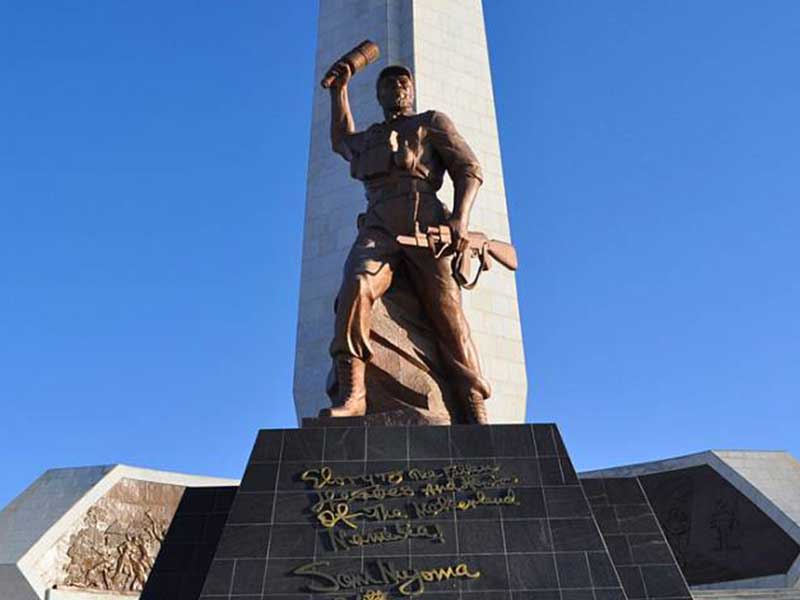
Just outside the city, you can also visit Heroes’ Acre, a monument commemorating those who fought for Namibia’s independence.
Enjoy Windhoek’s Food and Nightlife
Windhoek’s culinary scene is exceptional, and you might feel that having only one night to try out the food is not enough time to fully appreciate all the flavours.
Joe’s Beerhouse is one Namibian institution that is a must-visit for first-timers, and it’ll set the tone for the rest of the culinary side of your trip.
When in Windhoek, you have to try some of the game meats like oryx or kudu, or, if meat isn’t your thing, you can have a veggie kapana inspired by street food. And there’s nothing better to wash it all down with than a Windhoek Lager for the full experience.
For farm-to-table dining, The Stellenbosch Wine Bar and Bistro is just the place for a laid-back brunch or dinner. Most of the menu includes locally sourced ingredients, buttery croissants, seasonal fresh fruit platters and grilled vegetables.
Fresh ‘n Wild at Utopia, in the leafy Klein Windhoek suburb, is known for its cosy atmosphere and eco-friendly practices. The menu features fresh seafood, ethically sourced meats, and grilled vegetables, making it an excellent choice for a relaxed dinner.
These are just a tiny handful of the places you can dine in Windhoek. Google will help you find plenty more excellent options.
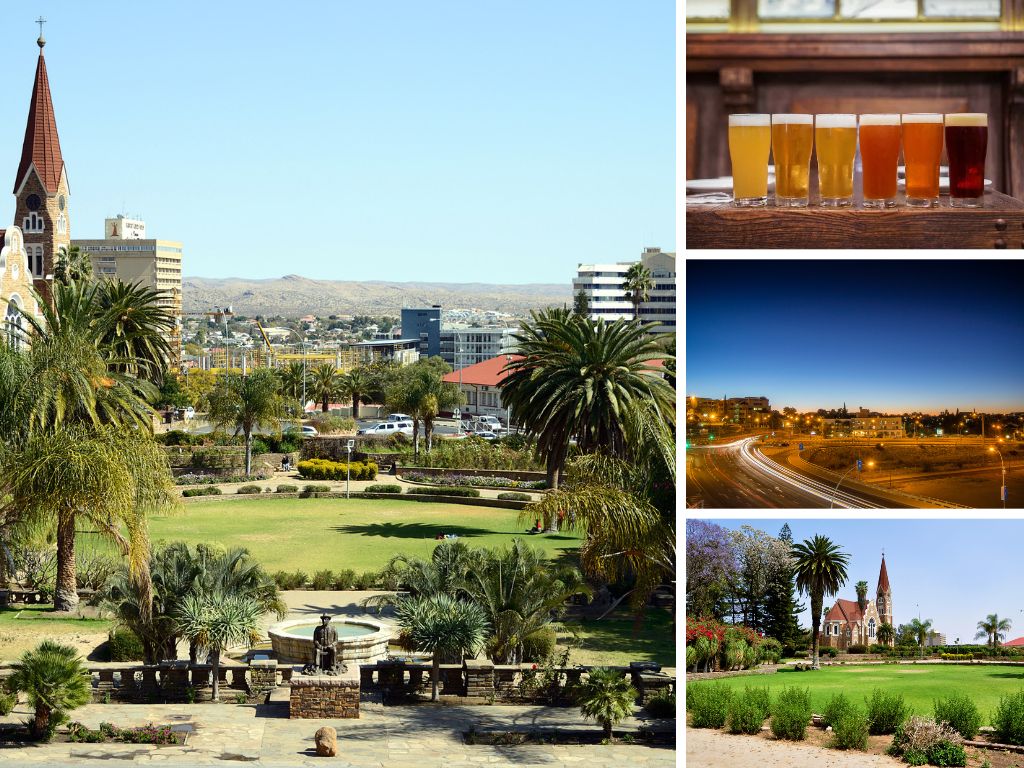
When is the Best Time to Visit Windhoek?
Windhoek has a fairly semi-arid climate, and its summers can be intensely hot, while its winters are delightfully mild and dry.
The best time to visit Windhoek is during the cooler, drier months of May to September, when daytime temperatures are pleasant (around 20–25°C / 68–77°F) and nights are crisp enough to get cosy around a fire.
These winter months are ideal for walking the city streets, sitting outside at cafés, and seeing some of Namibia’s other spectacular places.
From October to April, the temperatures start to climb and often quickly exceed 30°C (86°F). Summers in Windhoek also come with the occasional afternoon thunderstorms.
While the heat can be intense, summer nights are special; the city’s gardens and parks are colourful, and everyone likes to be outdoors a little more.
How to Get Around Windhoek
Your feet should be more than enough to get you around, especially in the city centre where most attractions are close together.
For longer distances, taxis and ride-hailing services are readily available and affordable. Many hotels and guesthouses can also arrange airport transfers and day tours.
If you’re planning to go further out of the city, to places like Avis Dam, Katutura, or the Namibian Craft Centre, you can always rent a car.
There are also a few tour companies that have guided city tours that cover all of the main highlights, including Christuskirche, Alte Feste, the Craft Centre, and Parliament Gardens.

Where to stay in Windhoek
Windhoek is a world-class city in every sense so you’ll find wide range of accommodation options, from upmarket hotels and boutique lodges to cosy guesthouses and budget-friendly hostels.
Most are located within a short drive of the city centre, making it easy to explore on foot or by taxi.
Urban Camp, just 3 km from the city centre, features a bar, outdoor pool, and garden with BBQ facilities. It’s a popular choice for travellers seeking a relaxed, eco-friendly atmosphere.
Olive Grove Guesthouse, a 5-minute drive from the centre, is another comfortable option with an outdoor plunge pool, sun loungers, and a garden setting.
AVANI Windhoek Hotel & Casino will give you various amenities including a casino, multiple dining options, and it is close to a couple of attractions like Joe’s Beerhouse and the Independence Memorial Museum.
For a more historic experience, you can stay at Hotel Heinitzburg, one of Windhoek’s 5 castle hotels, perched on a hill.
Practical Tips for Visiting Windhoek
And now that you are possibly hooked on the idea of giving Windhoek the time it deserves, these are some of the practicalities that you need to know:
- Currency – The Namibian dollar (NAD) is pegged to the South African rand (ZAR), and both currencies are widely accepted. Credit cards are accepted at most hotels and restaurants, but it’s wise to carry cash for markets and smaller establishments.
- Language – English is the official language, though Afrikaans, German, and indigenous languages like Oshiwambo are also spoken.
- Safety – Windhoek is generally safe, but as in any city, you should take the standard precautions like not walking alone at night, keeping valuables out of sight, and using reputable taxis or ride-hailing services.
- Tipping – Tipping is customary in restaurants (10–15% of the bill) and for guides and drivers.
- Electricity – Namibia uses the South African plug type (three round pins), with a standard voltage of 220–230V.
- Water – Tap water in Windhoek is safe to drink, though many visitors prefer bottled water.
Windhoek might be small, but it packs a punch.
If you are in the midst of planning a Namibia safari, consider adding an extra day in Windhoek. We promise you won’t regret it.
Yes, Windhoek is worth at least one full day. You can learn about the country’s rich history at museums like the Independence Memorial Museum, see unique German colonial architecture, try a few of the excellent restaurants like Joe’s Beerhouse, and enjoy easy access to nature at Avis Dam Nature Reserve.
1 or 2 days is ideal for Windhoek. This gives you time to explore the city centre attractions, visit a craft market, enjoy a township tour, and sample the culinary scene before heading out on your Namibia safari.
The best time to visit Windhoek is during the dry winter months from May to September, when temperatures are mild (20–25°C / 68–77°F) and rainfall is minimal. These months are also ideal for combining your city stay with wildlife safaris.
Windhoek is generally safe for tourists, especially in the city centre and main tourist areas. As with any capital city, take standard precautions: avoid walking alone at night, keep valuables secure, and use reputable taxis or ride-hailing services.
Windhoek is known for German-Namibian fusion cuisine, game meats like oryx and kudu, and kapana (open-fire grilled beef street food). Top restaurants include Joe’s Beerhouse, The Stellenbosch Wine Bar, and Fresh ‘n Wild At Utopia.
