
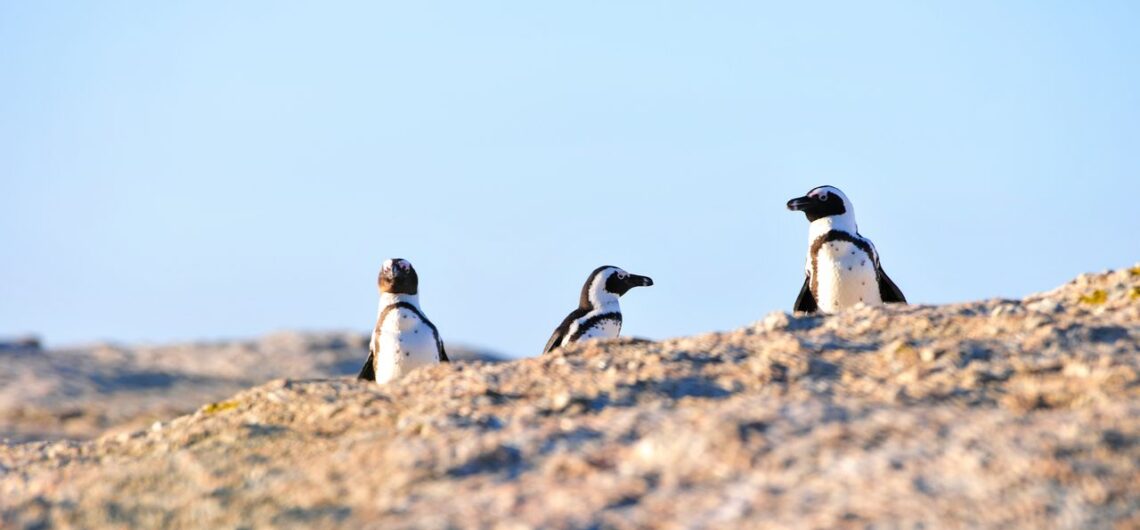
Spotting penguins in Namibia might sound like a trick of the light, or a mirage from the heat haze coming off the Namib, yet just off the diamond coast near Lüderitz, a colony of African penguins has made a happy home on a rocky island washed by the cold Benguela Current of the Atlantic Ocean.
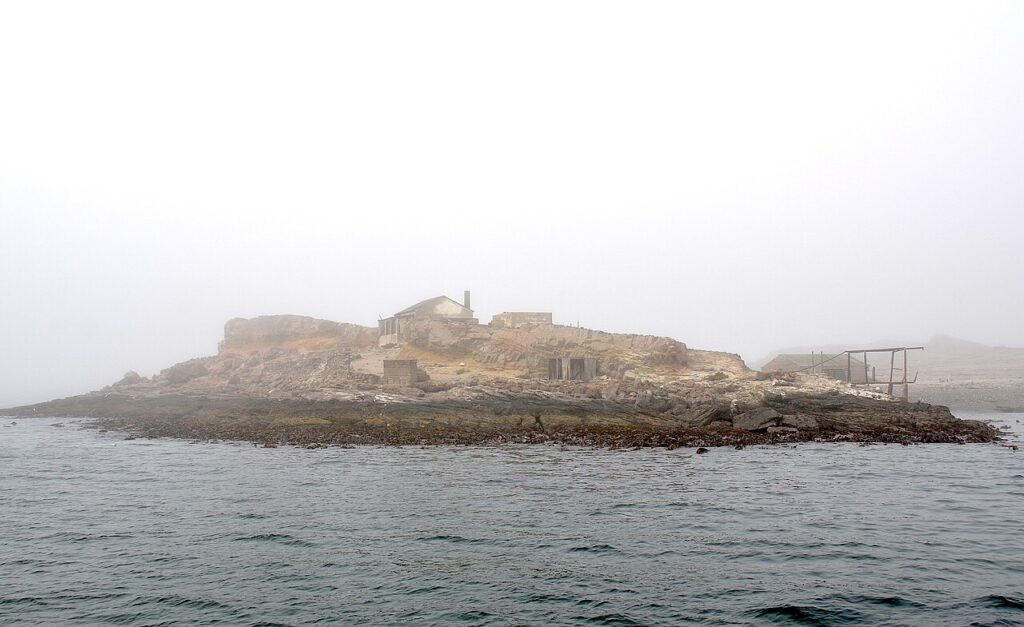
Halifax Island is one of the country’s, if not one of the continent’s, most important remaining breeding sites for the species, and it sits improbably close to a shoreline better known for desert, shipwrecks and colonial architecture from a bygone era.
If you have already watched elephants in the Okavango or leopards in the Sabi Sands, and you are looking for the next safari high, a tip to Halifax Island might just scratch that itch.
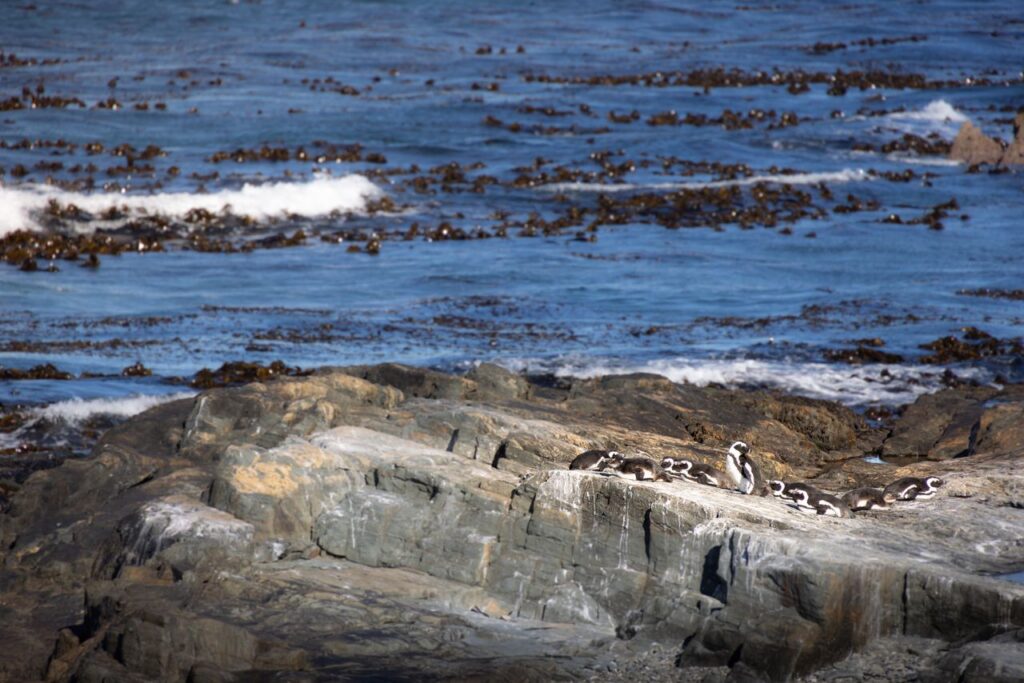
Watching penguins in Africa, standing on guano-stained rocks while seals bark nearby and the Atlantic throws spray against black basalt, feels wonderfully improbable, especially in a country better known for its unforgivingly dry landscapes.
About the African Penguins in Namibia
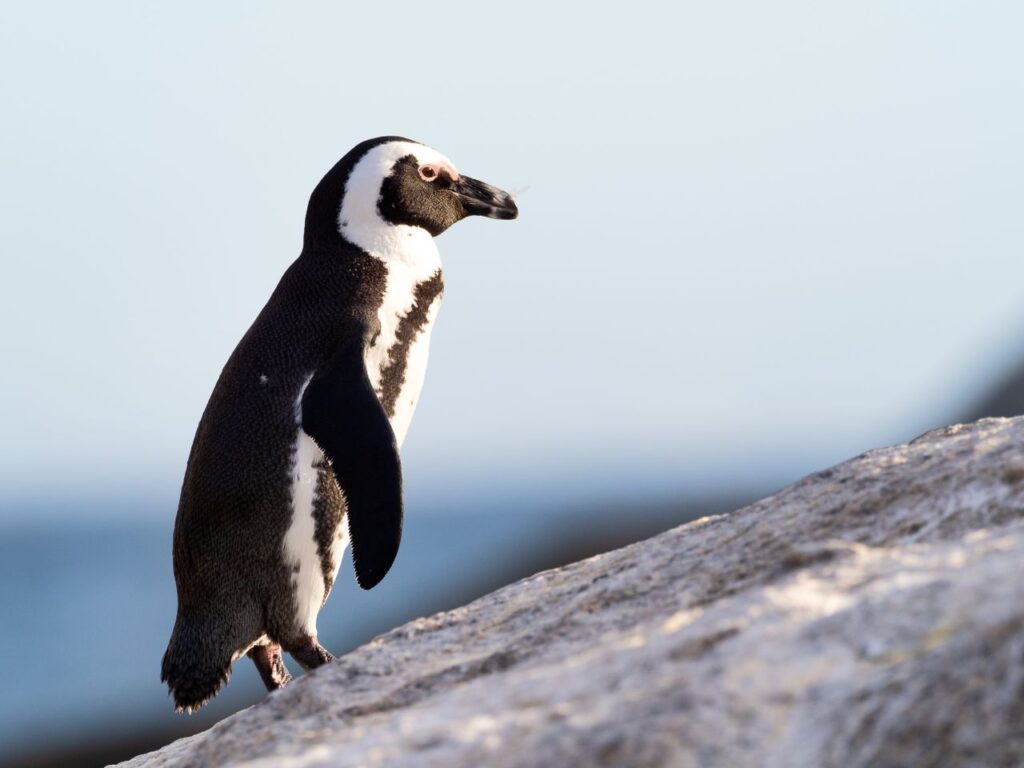
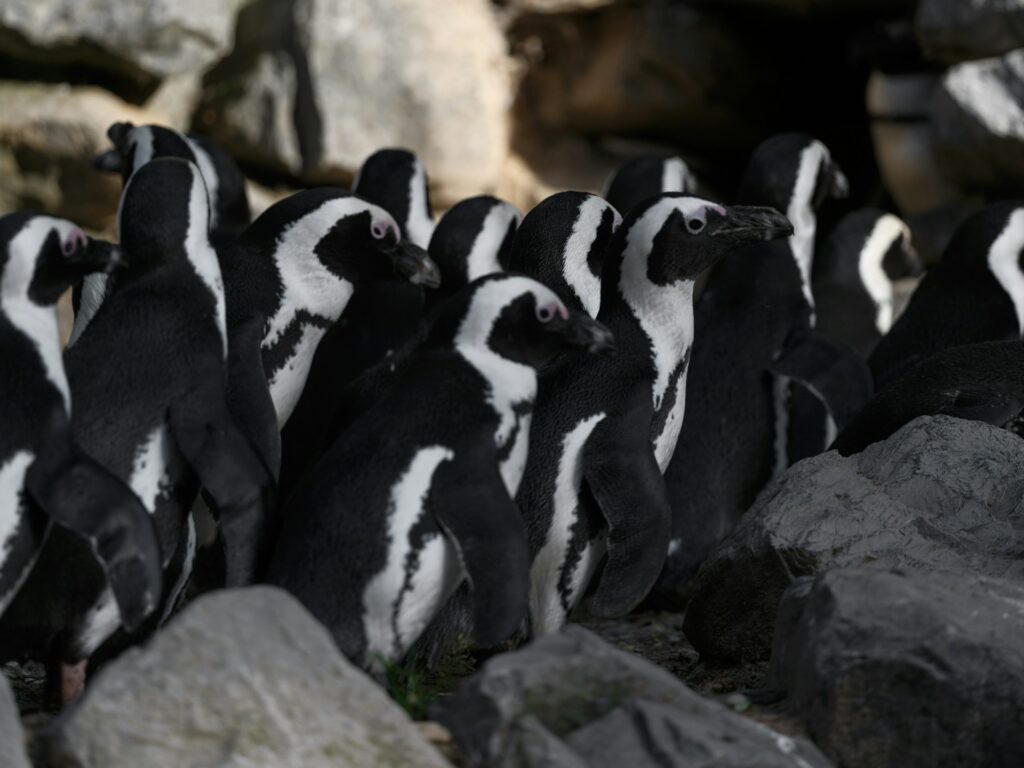
The African penguin, Spheniscus demersus, is the only penguin species that breeds on the African continent.
Its range stretches from Hollam’s Bird Island in Namibia to Bird Island in Algoa Bay, South Africa, with colonies concentrated safely on offshore islands where predators are fewer and delicious fish are closer.
Namibia’s penguins belong to the same species as those seen at Boulders Beach near Cape Town, but the setting could hardly be more different.
Instead of a sheltered mainland cove, Halifax Island lies just off the Lüderitz coast, exposed to wind, fog and the full tempestuous mood of the southern Atlantic.
The island is roughly 100 metres from the mainland and is managed and monitored by Namibia’s fisheries authorities.
In 2024, the IUCN reclassified the African penguin from Endangered to Critically Endangered after decades of severe decline.
Fewer than 32 000 birds are thought to remain in the wild, and Namibia is home to only around 1 200 breeding pairs.
Alongside Mercury, Ichaboe and Possession Islands, Halifax Island forms part of the Namibian Islands’ Marine Protected Area, a network created specifically to safeguard this key breeding habitat for the African penguin.
African penguins are sometimes called jackass penguins because their braying call sounds so much like a donkey. On a still morning, the sound carries strangely across the water if you are not sure what it is that you are hearing.
What to Expect from a Visit to Halifax Island
A Halifax Island outing usually begins in Lüderitz, a small harbour town characterised by German colonial buildings, a busy working fishing port and air that always smells of salt, diesel and cold ocean.
Boats generally leave from the waterfront in the morning, often at about 08:00, although departure times change with the season and depend greatly upon sea conditions.
The route usually curves past Diaz Point, where the coastline takes on a sculptural look, before reaching Halifax.
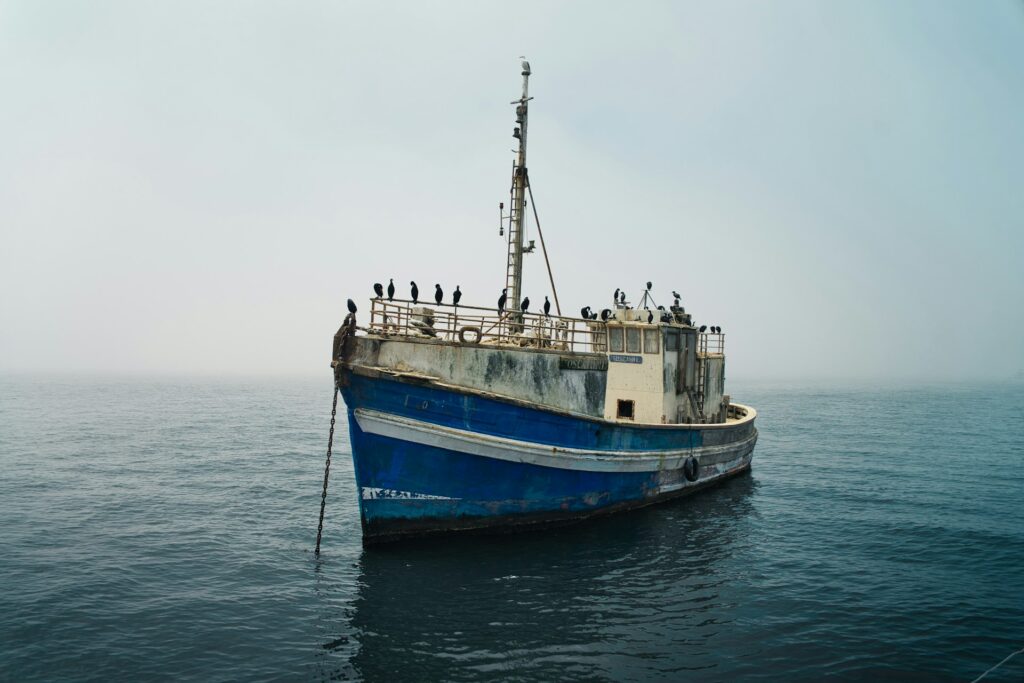
En route, you might spot colonies of quirky Cape fur seals hauled out on rocks, cormorants drying their wings, flamingos in the shallows and, with luck, Heaviside’s dolphins might join your voyage, swimming alongside the hull of your boat.
At Halifax, the boat does not land because you won’t be climbing ashore.
The island is closed to the public to protect that colony, which is already under much pressure. Instead of landing, the skipper will keep the boat at a respectful distance so guests can watch penguins waddling across the rocks, porpoising through the swell or resting in small groups after a fishing trip.
Because you are sitting in one place, your patience will serve you well.
One moment the rocks can appear completely devoid of life, and then almost out of nowhere, an adorable black and white shape appears at the water’s edge, followed by another and another, until the colony appears.
Spend enough time here, and you’ll see some birds preening, another calling, a third slipping into the sea with startling speed, and many happy families going about their usual day, completely unaware of the boat full of intrigued tourists.
Even if you are travelling in summer, you should pack warmly for your trip to Halifax Island.
Lüderitz and its surrounds have a cool, windy maritime climate; mornings can be foggy, and the breeze tends to only blow harder later in the day. A boat trip is usually more comfortable earlier, when the light is not as bright, and the sea is a lot calmer.
Fascinating Facts about African Penguins
After the movie Happy Feet came out, everyone fell in love with penguins. It’s hard not to be completely enchanted by their personalities and cute nature. But there’s far more to them than their looks:
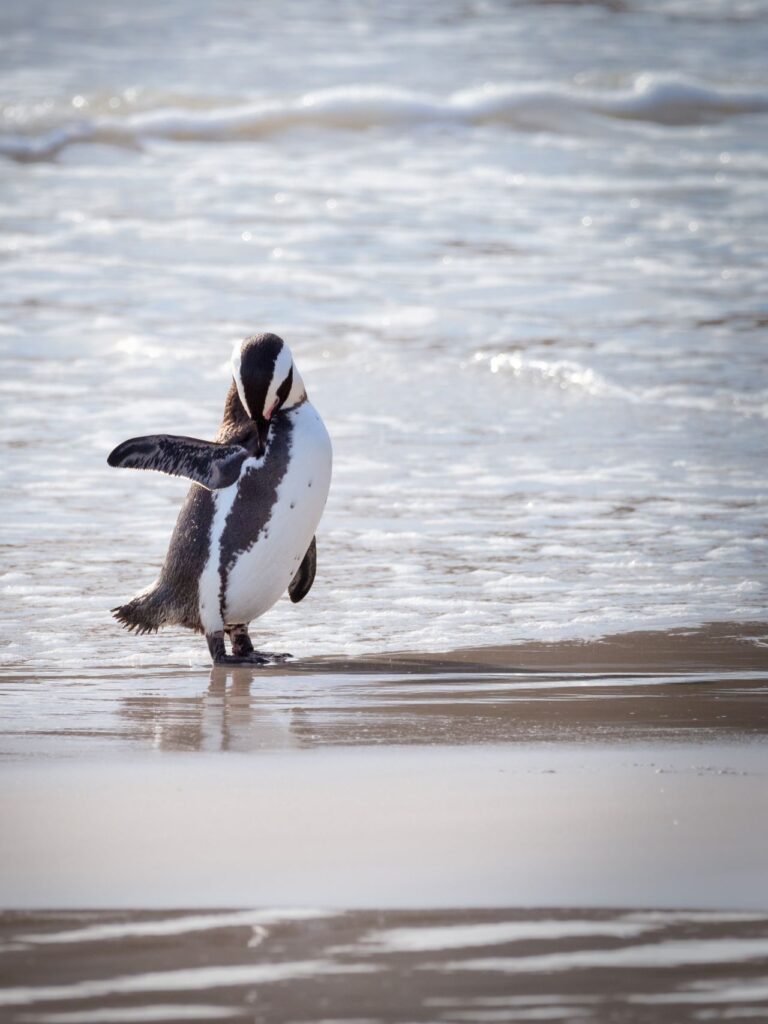
- African penguins are excellent swimmers and use their flipper-like wings to move through water with speed and precision.
- Their black and white patterning keeps them camouflaged from both directions: their dark backs disappear against the sea from above, while their pale undersides blend with the bright surface from below.
- They nest in burrows, crevices or under vegetation, which helps protect eggs and chicks from heat and predators.
- Historical guano mining removed much of the nutrient-rich nesting material penguins once used to excavate burrows, leaving many birds exposed on bare rock.
- The species has lost more than 95% of its historical abundance, one of the reasons conservationists regard every viable colony as important.
- African penguins are monogamous in many seasons, often returning to the same partner and nesting area when conditions allow.
How to Reach Halifax Island
For tourists, Halifax Island can only be reached by boat from Lüderitz, on Namibia’s southern Atlantic coast.
Lüderitz is connected by road to Aus and Keetmanshoop, and it also has a small airport with scheduled services, making it feasible to combine a trip to the coast with a broader Namibia tour.
Most visitors join a licensed catamaran or boat excursion from the Lüderitz waterfront.
Typical trips last around two to two and a half hours, depending on conditions and the route taken, and usually include other wildlife viewing rather than just a trip to the penguin colony itself.
When planning your trip, keep these tips in mind:
- Confirm the departure time the day before, as schedules can change with the weather and demand.
- Ask whether the operator follows wildlife viewing protocols and keeps a considerate distance from the island.
- Choose a morning departure where possible, particularly if wind is forecast.
- Take a warm, windproof jacket, sunglasses, a secure hat and a camera strap; sea spray has little respect for expensive equipment.
- If you are prone to seasickness, take appropriate medication before boarding rather than once the swell begins.
When is the Best Time to Visit Namibia to See Penguins?
Penguins can be seen around Halifax throughout much of the year, but the cooler, drier months from May to October are generally the most comfortable for coastal travel. These months also suit a trip to the Fish River Canyon, Sossusvlei or a southern Namibia safari route, so you can easily plan a more comprehensive tour.
Spring and early summer are best if you want to see breeding activity, although nesting timing varies from year to year and colony to colony. Rather than planning solely around chicks, you should plan around sea conditions, daylight and the wider holiday experience you hope to have.
For a luxury itinerary, Lüderitz pairs beautifully with the Namib Rand, Sossusvlei and the Skeleton Coast.
It will give you a maritime counterpoint to the desert with the cold water, fog, penguins, seals and a coastline being entirely unlike the red dunes further north. And after a couple of days travelling through a far hotter climate, feeling the refreshing ocean breeze on your skin will be most welcome.
Travelling Responsibly to See Penguins in Namibia
Halifax Island is not a place to chase a closer photograph; it is a fragile breeding site within a protected marine area.
Choosing an experienced local operator, remaining aboard the vessel and following the skipper’s guidance all help keep the colony happy and undisturbed.
As with all wildlife you encounter in Africa, feeding or calling to the animals is a complete no-no, and you should keep your voice low when near the island. You should also resist the temptation to use drones unless the operator can confirm that they are permitted and appropriate.
A long lens on a good quality camera will always produce a better penguin portrait than you trying to sneak up for a close shot.
The decline of the African penguin is tied to historical guano harvesting, changing fish availability and pressures at sea, and being able to visit this particular colony can be so much more meaningful knowing the history and knowing why it is so important to protect these special creatures.
The Other Best Places to See Penguins in Africa
Namibia is not the only place to meet Africa’s penguins, though it may be the most unexpected. Other places you can see penguins in Africa include:
| Place | What makes it special |
|---|---|
| Boulders Beach, South Africa | A famous mainland colony near Simon’s Town, where boardwalks allow close but controlled viewing of African penguins. |
| Stony Point, Betty’s Bay, South Africa | A quieter mainland colony set among old whaling station ruins, managed by CapeNature and often less crowded than Boulders. |
| Bird Island, Algoa Bay, South Africa | An important island breeding site in the Eastern Cape and part of the species’ eastern range. |
A Sighting Worth Making the Detour for
Halifax Island is not going to give you a guaranteed wildlife spectacle in the theme park sense. The Atlantic decides the mood, the penguins decide the moment, and the destination can take a little while to get through.
But if you want rare and memorable wildlife sightings, visiting the penguins in Namibia is as exciting as seeing desert-adapted lions, black rhinos, and the great dune landscapes. They are proof that the country’s wildness does not stop at the edge of the sand.
For those who want this experience included in their Namibian travel itinerary, Namibia Safaris can help create a route that pairs Lüderitz’s penguin coast with the country’s finest safari regions, so that you can experience the best of this ancient African nation.
Yes. African penguins breed on several islands off Namibia’s southern coast, including Halifax Island near Lüderitz. The country’s cold Benguela Current supports the fish and marine life these penguins depend on.
The best-known place is Halifax Island, a short boat trip from Lüderitz harbour. Other important penguin breeding islands in Namibia include Mercury, Ichaboe, Possession and Hollam’s Bird Island, although most are not open to visitors.
No. Halifax Island is closed to the public to protect its African penguin colony. Visitors view the penguins from a licensed boat at a respectful distance, which helps minimise disturbance to nesting birds.
Penguins can be seen around Halifax Island throughout much of the year, but May to October is generally the most comfortable time to visit Lüderitz. Morning boat trips are often best, as winds tend to increase later in the day.
Yes. The African penguin was reclassified as Critically Endangered by the IUCN in 2024 following a long-term population decline. Namibia’s remaining colonies are therefore especially important for the species’ survival.
