
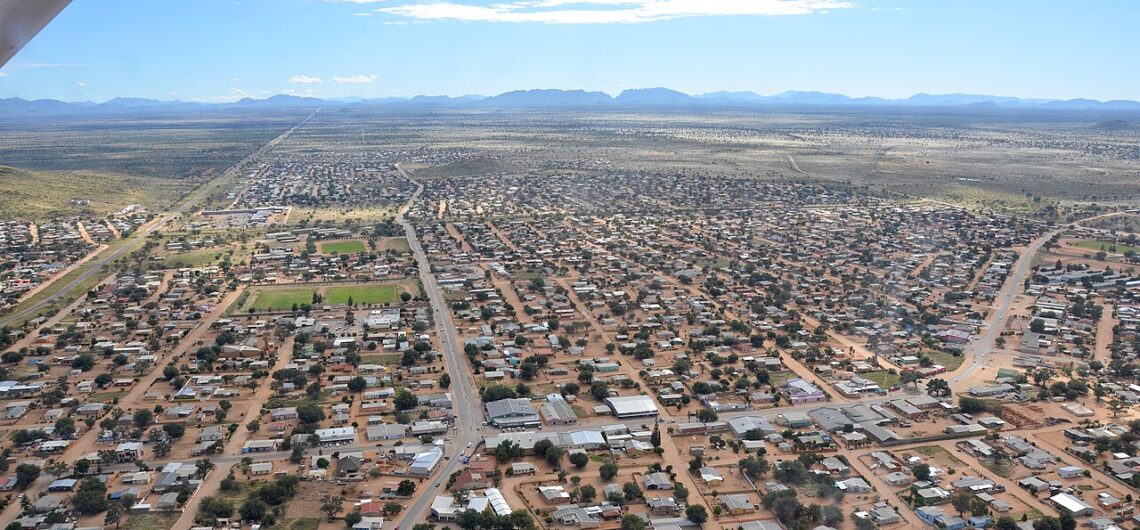
Never heard of Rehoboth, Namibia? To be fair, neither had I until I saw it mentioned on a travel itinerary.
Rehoboth might not have the instant name recognition of Sossusvlei, Swakopmund or Etosha, but that doesn’t mean it’s short on stories.
Sitting about 90 km south of Windhoek, this small Namibian town has a fascinating history, a distinctive cultural identity and a few surprises up its sleeve.
For many travellers, Rehoboth is simply a place they pass through on a Namibia road trip, on their way to more exciting sights, like enormous red dunes or the spooky coastline.
But look a little closer, and you’ll find that Rehoboth has plenty going on beneath its relatively unassuming exterior.
From its unusual history and the origins of its name to its people and traditions, there’s more to Rehoboth than first meets the eye.
So, before you breeze through town with your eyes firmly fixed on the next stop, let’s take a closer look at 7 eclectic facts about Rehoboth that might just encourage you to stop a while.
What makes Rehoboth, Namibia a good place to visit?
The town is small and unassuming, and the air around it carries the scent of dry earth and the faint sweetness of acacia trees; geographically, it is an important stop on the B1, Namibia’s main north–south highway.
It’s roughly halfway between Windhoek and places such as the Kalahari and southern Namibia, making it a practical road-trip stop.
Rehoboth has absolutely no airs and graces, and for travellers, the bare authenticity of the town is something to be appreciated.
This is a town where history is not confined to museums but lives on in daily life. The people here, many of whom are part of the Rehoboth Baster community, are warm, their smiles as genuine as the handmade goods they sell at the roadside stalls.
Life in Rehoboth moves at a pace dictated by the sun and the seasons, not by clocks or calendars.
The town’s location is another reason to visit.
It has been built between the Khomas Hochland mountains and the Namib Desert; Rehoboth is a gateway to some of Namibia’s most spectacular landscapes.
And yet, despite being such an old town, crowds do not flock here, and travellers can experience the luxury of space and solitude when visiting.

7 Facts About Rehoboth, Namibia
1. A Town Born of Faith and Resilience
Rehoboth was founded in 1845 by the Rehoboth Baster community, a group of mixed-race descendants of Cape Dutch settlers and indigenous Namibian women.
The name Rehoboth, meaning “wide spaces” or “room for all,” was inspired by a biblical reference, reflecting the community’s search for a place to call their own.
This history can be seen in the town’s architecture and traditions, and in the pride of its people.
2. The Rehoboth Museum
Housed in a historic building that once served as a German colonial administrative office, the Rehoboth Museum is a treasure trove of artefacts and stories.
Visitors can explore exhibits that trace the town’s origins, its role in Namibia’s colonial past, and the intriguing, unique culture of the Baster community.
The museum is small but will give you a glimpse into the soul of Rehoboth.
3. A Culinary Crossroads
Rehoboth’s cuisine is a delicious fusion of Namibian and Cape Malay influences. The town is famous for its kapana, a grilled, spiced meat served with fresh bread and a side of fiery chilli sauce.
For those who want to tuck into the local flavour, the street food stalls are a must. You will also find charming cafés and restaurants serving dishes that are a tasty mix of tradition and more modern influences, all made with locally sourced ingredients.
4. The Rehoboth Church
The German Lutheran Church, with its striking white facade and red roof, is a symbol of the town’s enduring faith and a spectacular piece of architecture.
Built in 1886, it is one of the oldest churches in Namibia and remains a central part of community life.
The church’s simple design is a nod to the town’s historical ties to German missionaries.
5. A Hub for Traditional Talent
Rehoboth is renowned for its skilled artisans, particularly those who make the most beautiful leather goods and intricate beadwork.
The town’s markets are filled with handmade items, which range from belts and bags to jewellery and home decor.
Each piece has its own story that you get to take home with you, as the skills used to make these items, whether it is a leather wallet or a beaded necklace, have been passed down through families for generations.
They make for meaningful, one-of-a-kind souvenirs.
6. The Annual Rehoboth Festival
Every October, Rehoboth comes alive with the Rehoboth Festival, a celebration that the whole town gets involved in.
The festival features traditional music, dance, and food, as well as competitions and exhibitions of local talent.
It is a time when the town’s pride is on full display, and visitors are welcomed with open arms to join in the festivities.
7. A Gateway to the Namib (and all its Natural Wonders)
While Rehoboth itself is a destination worth exploring, it is also a convenient base for venturing out into the surrounding land.
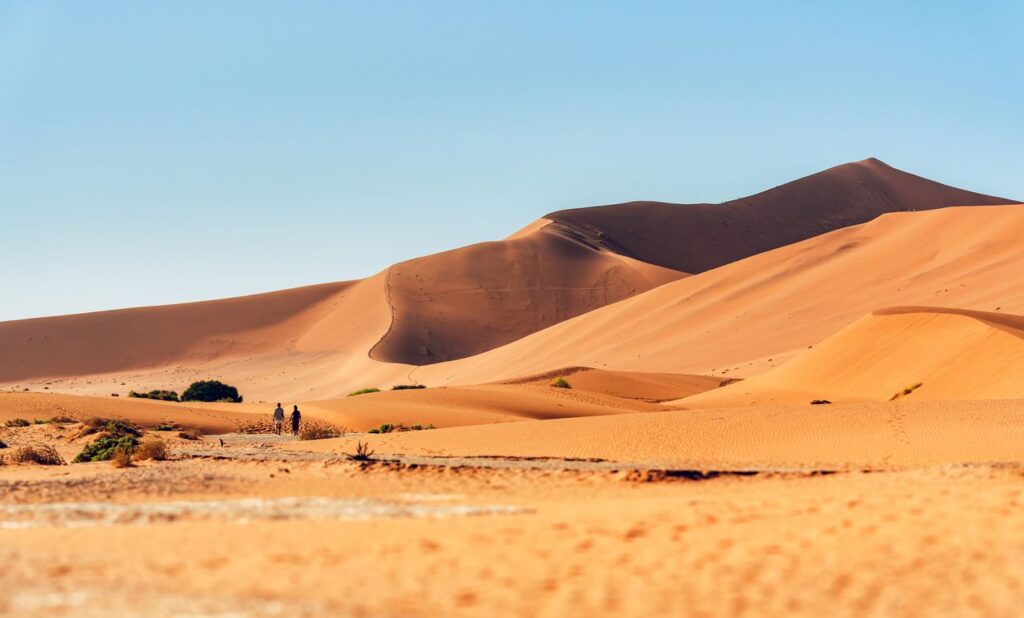
The Namib Desert is just a short drive away, and travellers can set out on guided tours to explore the desert’s unique flora and fauna, or simply take in the breathtaking views that stretch as far as the eye can see.

What to do while in Rehoboth, Namibia
You don’t need more than a day to explore Rehoboth, and all the while you are in the town, you are unlikely to be without something to keep you interested. It is a slow town; there’s no doubt about that, but maybe that makes it the ideal place to catch your breath.
While in town, you can:
- Take a Wander Through History
Start with a leisurely walk through the town centre and visit the Rehoboth Museum to delve deeper into the town’s past, before strolling to the German Lutheran Church to admire its architecture and soak in the tranquillity.
The streets are lined with historic buildings, so make sure you have your camera with you.
- Savour the Local Flavours
No visit to Rehoboth is complete without sampling its food.
Head to a local stall for kapana, or enjoy a meal at one of the town’s cosy restaurants. You can even consider joining a cooking class to learn how to prepare the town’s traditional dishes, and take home a new favourite recipe to remind you of your time spent here.
- Shop for Handmade Treasures
Spend an afternoon browsing the markets, where each of the pieces is a part of Rehoboth’s cultural heritage.
You can also take the time to speak with the artisans, many of whom are happy to share the stories behind their craft.
- Explore the Surrounding Desert
Rehoboth’s location makes it an ideal starting point for exhilarating desert adventures and you can join a guided tour to explore the Namib’s dunes, where you can see the sand moving like liquid gold under the sun.
If you’d rather have a more leisurely pace, a sunset drive will give you a chance to watch the desert change as the sky blushes with oranges and purples, and the dunes catch the late afternoon sun and glow as if lit from within.
- Attend a Cultural Event
If your visit coincides with the Rehoboth Festival, make it a priority to attend.
The energy is infectious, with music, dance, and the aroma of grilled meats filling the air. Even outside of the festival season, the town often hosts smaller cultural gatherings, where visitors can watch traditional performances and engage with the community.
- Visit a Local Farm
The surrounding area is dotted with farms that will give you a look at Namibia’s lesser-seen side: its agriculture.
Some farms welcome visitors for tours, where you can learn about the region’s produce, meet the farmers, and even participate in activities like cheese-making or wine-tasting.
It is a chance to connect with the land and the people who tend it, and to taste the freshest ingredients in Namibia.

Skip past Rehoboth on your way to the dunes, and you’ll miss the kapana stalls, the beadwork markets and the interesting Baster history that make this little town worth the stop.
Rehoboth gives travellers history, culture, and natural beauty. Founded by the Rehoboth Baster community, the town is rich in heritage, with charming architecture, vibrant markets, and a gateway location to the Namib Desert. Its quiet luxury lies in its authenticity, untouched landscapes, and warm community spirit.
The best time to visit Rehoboth is during the cooler months of April to October, when temperatures are mild and ideal for exploring the town and its surroundings. October is particularly lively due to the annual Rehoboth Festival, celebrating local culture and traditions.
You can learn all about Rehoboth’s culture by visiting the Rehoboth Museum to learn about its history, exploring the German Lutheran Church, and attending the Rehoboth Festival in October. Don’t miss the chance to savour local cuisine like kapana and shop for handmade crafts at the markets.
Absolutely. Rehoboth offers a refined, understated luxury experience. Travellers can enjoy exclusive desert tours, stay in boutique lodges, and indulge in locally sourced gourmet meals. The town’s tranquillity, cultural depth, and proximity to the Namib Desert make it a hidden gem for those seeking an authentic, high-end African experience.
In Rehoboth, you can wander through historic streets, visit local farms for fresh produce and artisanal goods, explore the Namib Desert’s dunes, or attend cultural events like the Rehoboth Festival. The town also offers opportunities for quiet reflection, whether under a camelthorn tree or in the peaceful surroundings of its churches.
