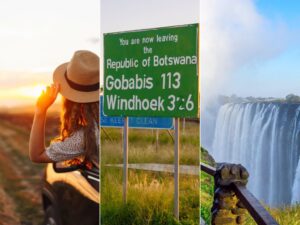
Namibia is a land of awe-inspiring landscapes, diverse wildlife, and vibrant cultures. Over the years it has quietly become a magnet for travellers from all over the world seeking unique and meaningful experiences.

As the allure of this African gem continues to grow, so does the importance of responsible tourism, even more so since Namibia is largely untouched by man.

In previous blogs, we talked about sustainable tourism practices, and now we are going to be sharing a few more ideas that you can use to have a more positive impact while you are on your Namibia tour.

What is Responsible tourism?

Responsible tourism is about travelling in a way that not only benefits you as a traveller but also leaves a positive impact on the environment, local communities, and the preservation of natural and cultural heritage. Even in the smallest ways, travellers can make a positive impact in Namibia by adopting responsible tourism practices, including some of these new and lesser-known ways:

You can Support Community-Based Tourism Initiatives

Namibia is home to various community-based tourism initiatives where local communities actively participate in and benefit from tourism activities.

These initiatives offer visitors the opportunity to engage with Namibia’s diverse cultures while contributing to community development.

When booking your Namibia tour, you should seek out experiences with community-owned lodges, cultural tours, and craft markets. Your support directly benefits local livelihoods and empowers communities to preserve their traditions.

You can Choose Sustainable Accommodations

Many lodges and accommodations in Namibia are dedicated to eco-friendly practices. You can opt for lodges that have earned eco-certifications and which prioritise sustainability.

These establishments often implement water and energy-saving measures, waste reduction strategies, and support conservation efforts.

By choosing such Namibia accommodation, you reduce your environmental footprint and contribute to the protection of Namibia’s delicate ecosystems.

You should always Respect Wildlife and Natural Habitats

Namibia’s diverse wildlife and stunning landscapes are without a doubt the greatest attraction for tourists.

The more responsible travellers can help preserve these natural treasures by adhering to ethical wildlife viewing guidelines, which include maintaining a safe distance from animals, not disturbing nesting birds or breeding grounds, and never feeding wild animals.

How you behave while on your Namibia tour, you can contribute to the well-being and protection of Namibia’s iconic wildlife.

You should try to Reduce Plastic Waste

Plastic pollution is a global concern, and Namibia is no exception.

Luckily, you can easily reduce your plastic waste by carrying reusable water bottles and shopping bags. Many lodges and campsites in Namibia have refill stations, making it convenient and super easy to fill your bottle with clean, safe water.

You should  Embrace Slow Travel

Instead of rushing from one destination to another, embrace slow travel in while making your way through Namibia.

You can spend more time in fewer places, giving you time to immerse yourself in the local culture and environment. Slow travel can also reduce your carbon footprint and provide you with a deeper, more authentic travel experience.

You can Support Conservation Efforts

Namibia is known for its successful conservation programmes.

Consider donating to or volunteering with organisations dedicated to wildlife conservation and habitat preservation. Engaging with these initiatives directly contributes to the protection of Namibia’s natural heritage.

You can Learn About Local Cultures

When travelling, you should take the time to learn about the cultures of Namibia’s indigenous communities. You can engage in cultural tours and homestays to gain a deeper understanding of local traditions, customs, and challenges.

You can Participate in Clean-Up Initiatives

Some tour operators and conservation organisations in Namibia organise clean-up events in natural areas and communities. By joining these efforts, you can directly contribute to preserving Namibia’s beauty while also raising awareness about responsible tourism.

And always Leave No Trace

The Leave No Trace principles apply worldwide, including Namibia. And it is really easy to do as all you need to do is to ensure you leave natural and cultural sites as you found them. Do this by disposing of waste properly, staying on marked trails, and avoiding disturbing archaeological or historical sites.

Read our other blogs here

About the Authors African Travel Concept Namibia Team

At African Travel Concept Namibia, our team of experienced travel and safari professionals is dedicated to turning first-hand African expertise into clear, reliable advice. We research, review, and refine every article so you have the most current and accurate information when planning your trip.

Namibia, with its breath taking landscapes, rich wildlife, and vibrant culture, is a dream destination for safari enthusiasts. However, planning the perfect Namibia safari can be a complex task with countless options to choose from.

To help you navigate this exciting journey and select the ideal safari or tour package tailored to your interests and preferences; let’s break down the decision-making process step by step, including some lesser-known tips and insights.

And if you need help figuring out which safari will be best suited to you, you can always get in touch with our friendly team at Namibia Safaris. With years of experience and an intimate knowledge of Namibia, our consultants can help you find the best Namibia tour.

Your Step by Step Guide to Finding the Namibia Safari that Meets your Expectations 

Step 1: Define Your Safari Goals

Before diving into the myriad of safari options (and there are quite literally safaris for every kind of traveller), start by defining your goals and expectations.

Ask yourself questions like – What wildlife do I dream of seeing? And do I want to get into photography, bird watching, or cultural interactions?

Once you have a keen understanding of what your objectives are, you will be in a better position to find the ideal safari.

Step 2: Choose the Best Time to Visit

Namibia’s climate varies throughout the year, and wildlife sightings can differ significantly by season. Although it is safe to say that each season is quite magical.

The dry season (May to October) is excellent for game viewing, as animals gather around water sources, while the wet season (November to April) brings lush landscapes and migratory birds. Make sure that you select the time that aligns with your interests (check out our best time to visit information on our website).

Step 3: Select Your Safari Style

Namibia offers various safari styles, each with its unique charm.

If you are not keen on a solo safari, you should consider options like guided group safaris, or private guided tours. If you are looking to drive yourself around, the self-drive safaris will provide flexibility, although guided Namibia tours offer expert insights and convenience.

Step 4: Research Safari Destinations

Namibia boasts diverse regions, each with its own stunning attractions.

While popular destinations like Etosha National Park are well-known, you should also consider including some lesser-known gems like Bwabwata National Park, Caprivi Strip, and the Kunene Region for a more intimate experience.

Step 5: Budget Wisely

Naturally, before you can book any kind of holiday, you need to determine your budget and choose the safari option that aligns with it.

Namibia caters to various budgets, from luxury lodges to budget-friendly camping experiences. Remember to account for all of the additional costs like park fees, meals, and activities.

Step 6: Evaluate Accommodation Options

Namibia offers a wide range of accommodations, from luxury lodges and guesthouses to rustic campsites. Some lodges are eco-friendly and offer immersive experiences, while campsites allow you to connect with nature.

Do your research and book accommodations that suit your preferences. Alternatively, contact a travel agency that specialises Namibia holidays, like us.

Step 7: Consider Booking Unique Activities

Namibia offers so much more than wildlife viewing.

When planning your tour, explore the unique activities like hot air ballooning over the Namib Desert’s dunes, quad biking, and visiting local Himba communities for cultural immersion.

Step 8: Pack Smartly

Namibia’s climate can vary so you should pack layers for warmth as well as something that will provide sun protection. Also make sure that you don’t forget to pack essential items like binoculars, a camera with a good zoom lens, and a universal adapter for charging devices.

Step 9: Seek Local Insights

While planning your safari, you should consult with local experts or travel agencies with in-depth knowledge of Namibia. They can provide valuable insights, recommend hidden gems, and ensure that you have a smooth experience.

Step 10: Contribute to Conservation

Namibia is a nation that is committed to conservation.

By making the effort to support lodges and tours that prioritise sustainability and contribute to wildlife protection, you can contribute to the nation’s commitment to keeping the nation the natural oasis that it is.

Step 11: Embrace Spontaneity

Namibia’s beauty really lies in its unpredictability.

While planning is essential, you should always leave room for spontaneous moments. Serendipitous encounters with wildlife or uncharted paths can lead to unforgettable memories.

Step 12: Stay Safe and Respectful

Whenever you are out in a park or whenever you see wildlife, you must make an extra effort to be respectful, to follow park rules, and listen to your guides for your safety.

Namibia’s wildlife is wild, and maintaining a safe distance is a must for both your safety and the animals’.

Step 13: Document and Share Your Experience Responsibly

Finally, you should capture the magic of Namibia through photography, but do so responsibly. When capturing your memories, avoid disturbing the wildlife for the sake of a photograph.

Read our other blogs here

About the Authors African Travel Concept Namibia Team

At African Travel Concept Namibia, our team of experienced travel and safari professionals is dedicated to turning first-hand African expertise into clear, reliable advice. We research, review, and refine every article so you have the most current and accurate information when planning your trip.

If you’re an adventurer at heart, a self-drive safari in Namibia is just the sort of experience that promises freedom, flexibility, and the thrill of navigating one of Africa’s most diverse landscapes on your own terms.

From the breathtaking desert dunes to the untamed savannahs, Namibia offers a journey of a lifetime for those seeking to chart their own course. Here’s everything you need to know to plan a successful self-drive safari through this enchanting land.

Why Choose a Self-Drive Safari in Namibia?

A self-drive safari isn’t just a mode of travel; it’s an immersive experience that allows you to set your own pace, linger in your favourite spots, and connect with the landscape in a personal way. Namibia’s well-maintained roads and clear signage make it an ideal destination for independent travellers. Whether you’re a seasoned road tripper or planning to embark on your first self-guided adventure, Namibia offers an array of sights and experiences waiting to be discovered.

Guided tours namibia

Tips for Planning Your Self-Drive Safari

  • Route Planning and Must-Visit Locations

Begin by outlining your route and identifying must-visit locations. Namibia’s highlights include the iconic Sossusvlei dunes, the wildlife-rich Etosha National Park, the rugged landscapes of Damaraland, and the charming coastal town of Swakopmund. Tailor your itinerary to match your interests, be it wildlife, photography, or simply soaking in the scenery.

  • Choosing the Right Vehicle

Selecting the right vehicle is crucial for a successful self-drive safari. Opt for a sturdy 4×4 with good ground clearance, especially if you plan to explore off-road areas. A reliable vehicle will ensure you’re well-prepared to tackle diverse terrains, from sandy dunes to gravelly roads.

  • Navigation Tools

While Namibia’s roads are generally well-marked, having reliable navigation tools is essential. A GPS device with updated maps or a smartphone with offline maps can be a lifesaver. It’s also advisable to carry a physical map as a backup.

  • Accommodation Reservations

Secure accommodations in advance, especially if you’re traveling during peak seasons. Namibia offers a variety of lodges, campsites, and guesthouses to suit different budgets. Keep in mind that some remote areas may have limited lodging options.

  • Travel Documents and Permits

Ensure you have all the necessary travel documents, including a valid driver’s license, passport, and any required permits for specific areas or activities. Carry physical and digital copies as a precaution.

  • Supplies and Provisions

Stock up on essentials such as water, food, and basic camping gear before embarking on your journey. Some areas might not have easily accessible stores, so being prepared is key.

  • Safety First

Prioritise safety by informing someone about your travel plans and expected routes. Familiarise yourself with emergency numbers and basic first aid procedures.

Navigating Namibia’s Roads

Namibia’s roads are generally well-maintained, but conditions can vary. Keep these road travel tips in mind:

  • Drive at a safe speed, especially on gravel roads.
  • Watch out for wildlife, which can unexpectedly cross the road.
  • Be cautious around larger vehicles like trucks, which may kick up dust reducing visibility.
  • Consider getting a local SIM card for communication and data access.

A self-drive safari through Namibia is an adventure of a lifetime, offering an intimate connection with the country’s landscapes, wildlife, and people. And when you travel with the guidance of Namibia Safaris, you can be sure that your trip will be one that gives you happy memories that will last a lifetime.

Read our other blogs here

About the Authors African Travel Concept Namibia Team

At African Travel Concept Namibia, our team of experienced travel and safari professionals is dedicated to turning first-hand African expertise into clear, reliable advice. We research, review, and refine every article so you have the most current and accurate information when planning your trip.

Namibia, the land of dramatic landscapes, stunning wildlife, and unbelievable sights, has another gift for travellers: its utterly enchanting sunsets.

For the globetrotter seeking that picture-perfect blend of relaxation and wonder, Namibia’s evening tours are an absolute must. No matter what time of year you travel to this wondrous desert landscape, the sunsets provide an unforgettable show.

When you are on your Namibia tour, be sure to spend your evenings sitting outside and taking in every moment that the exquisite sunsets have to offer.

Where the Wild Meets the Dusty Evening Glow

Namibia’s wildlife takes on a whole new charm at dusk, and a sunset game drive is your ticket to this captivating show.

Hop into a safari vehicle with an experienced guide, and as the sun mellows into the horizon, watch the animals begin their evening rituals. The graceful movements of giraffes, the stealthy strides of predators, and the elegant sway of antelopes against the backdrop of the setting sun create a mesmerising scene.

The magic isn’t just in the creatures but also in the landscapes bathed in the golden glow. Imagine the iconic silhouette of an acacia tree against the colourful sky or the dust kicked up by a herd of elephants as they amble along. Every twist and turn of the savannah reveals a new perspective, a unique moment to capture the essence of wild Namibia.

A Perfect time to go Stargazing

Namibia’s vast and unpolluted skies offer a celestial spectacle that’s truly out of this world. Evening tours in Namibia often include stargazing sessions, allowing you to lay back and gaze up at a universe that seems to stretch beyond imagination.

Under the expert guidance of astronomy enthusiasts, learn to identify constellations, hear tales from the cosmos, and appreciate the vastness of the universe. The absence of city lights reveals a night sky teeming with twinkling stars, and if you’re lucky, you might catch a glimpse of a shooting star, making a wish that you’d never forget this experience.

Evening Desert Walks

Namibia’s desert comes alive in the evening, once the immense heat of the day begins to fade away, offering an otherworldly experience that’s both tranquil and exhilarating. Join a guided evening desert walk, where the soft sands seem to change colours with each step you take. While walking the desert sands, you can explore the intricate patterns etched by the wind and the fascinating flora that thrives in this seemingly barren landscape.

The ever-shifting dunes, touched by the fading sunlight, create a symphony of shadows and silhouettes. It’s as if the desert is whispering secrets, inviting you to be part of its timeless beauty. As the sun disappears, leaving behind a canvas of deep blues and purples, you’ll realize that there’s something truly magical about being surrounded by the stillness of the desert at dusk.

For the traveller seeking the perfect blend of relaxation and enchantment, Namibia’s tours are waiting. Book a journey to witness the sunsets that dreams are made of, and let the magic of Namibia weave its spell around you. Contact us today or browse our website for more information.

Read our other blogs here

About the Authors African Travel Concept Namibia Team

At African Travel Concept Namibia, our team of experienced travel and safari professionals is dedicated to turning first-hand African expertise into clear, reliable advice. We research, review, and refine every article so you have the most current and accurate information when planning your trip.

When one thinks of a desert, the image of arid landscapes and barren terrains often comes to mind.

However, Namibia, a land of surprises and contrasts, paints a different, more floral, picture in August.

As the dry season reaches its peak, certain desert regions burst into a surprising display of colour and life, turning the seemingly inhospitable environment into a floral symphony that captivates the senses.

If you are going on your Namibia tour this August, you should definitely have your camera in hand as you will want to capture the stunning flower display that the desert plants will soon be putting on. Although a lot less known than its southern neighbour, Namaqualand, the August it is still worth seeing.

August in Namibia brings showcases an out of this world transformation that is nothing short of a natural wonder.

While the desert might be the last place you’d expect to find vibrant blooms, this is the month when certain regions experience a burst of life that seems to defy the odds. These blooms are often found in areas where water sources, such as underground springs and seasonal rivers, create microhabitats that encourage the growth of the plants even though they have not seen a drop of rain in months.

Namibia Desert Flowers
Example of Lithops

Thriving in Adversity and Putting on a Show of Diversity

Namibia’s desert flora has evolved to thrive in harsh conditions, making the most of limited resources and adapting to survive the arid environment. Not only do these blooms thrive in the harsh climate, but there is also quite a diversity of flora too.

It’s the resilience of the plants that makes the August blooms even more astonishing.

These plants have learned to seize the brief window of opportunity during the dry season to burst forth in a dazzling display of colour and form.

Plants to look out for in Namibia in August

  • The Mesmerizing Welwitschia Mirabilis

One of the most iconic desert plants in Namibia is the Welwitschia mirabilis. This peculiar plant, with its strap-like leaves and gnarled appearance, is known to live for centuries. In August, these ancient plants produce cones covered in small flowers that attract insects.

  • The Living Stones that Blossom

Lithops, also known as “living stones,” are another fascinating example of desert adaptation. These succulent plants have evolved to resemble the stones and pebbles of their surroundings, providing them with camouflage and protection. In August, they surprise visitors with their small, daisy-like flowers that emerge from their tops.

  • A Carpet of Colourful Desert Annuals

One of the most spectacular displays in August comes from desert annuals. These plants lie dormant for most of the year, waiting for the right conditions to bloom. When the brief rains arrive, these seeds spring to life, covering the desert floor in a carpet of colourful flowers. It’s a breath-taking sight that attracts pollinators and adds a burst of colour to the typically muted landscape.

Celebrating the Circle of Life of Pollinators

The August blooms aren’t just a visual delight; they’re a celebration of the circle of life in the desert.

These flowers attract a variety of pollinators, from insects to birds, which play a vitally important role in the ecosystem. As they sip nectar and collect pollen, they facilitate the process of reproduction, ensuring the survival of these desert plants for generations to come.

Namibia’s August blooms are a testament to the resilience and adaptability of life in even the harshest of environments. Although it is a fleeting display of colour and life, these August blooms remind us that nature has an uncanny ability to find a way to thrive, even in adversity.

They also offer a unique opportunity for travellers to witness the unexpected beauty of desert flora and experience the delicate balance of the desert ecosystem.

So, if you find yourself in Namibia in August, take a moment to immerse yourself in this floral symphony, it is an experience that will leave you in awe of the wonders of the natural world.

Read our other blogs here

About the Authors African Travel Concept Namibia Team

At African Travel Concept Namibia, our team of experienced travel and safari professionals is dedicated to turning first-hand African expertise into clear, reliable advice. We research, review, and refine every article so you have the most current and accurate information when planning your trip.

Most Namibia safaris are done in the comfort of a 4×4 vehicle.

The roads are for the most part ungovernable without an off-road capable vehicle, but only those roads that are well outside of the urban towns and cities. So it makes sense to use a tough and rugged vehicle to get you to where you need to be. But if you are one of those sorts of travellers who likes to really get a feel for the place you are visiting, taking a trip on foot is probably high up on your list of travel requirements.

Namibia is home to all sorts of hiking trails. Some of the trails are quite easy to navigate while others pose a lot more of a challenge, and will also require a lot more time to cover.

It should be said that hiking in Namibia is not a conventional sort of safari experience and as such you are not likely to find such a holiday option on just any Namibia safari package you look at. If you want the focus of your Namibia safari to be on the hiking trails, you need to make sure that you book the most appropriate holiday package. If you can’t find one, you can always ask an agency to tailor a hiking tour for you.

To inspire your trekking adventure, here are 5 picturesque trails that you can consider booking. 

Fish River Canyon

If you do any amount of research around hiking in Namibia, the Fish River Canyon trek is bound to pop up first. And for good reason, since this is an incredibly popular trail although it is one that will take it out of you if you are not ready to take on such a steep uphill journey. The good news is that the trail is split up into segments, so you can pick an option that will be short and easy.

Olive Trail

This trail starts out at the Naukluft Camp, and although it is just a 10km trek, it can take up to 5 hours to complete. The scenery that you will encounter will make each and every step you take worth it. The trail will take you quite high up, so it might not be the best option if you are a little fearful of heights.

Waterberg Plateau Park

While most of the Namibia trails will take you through the dry and dusty parts of the country, this trail is different because it is green and full of lush life. This trail looks out over the Kalahari and offers hikers the most beautiful panoramic views. The trail is easy for most to complete and it covers some 10km.

Tok Tokkie Trail

The arid and majestic Tok Tokkie Trail is found in the NamibRand Nature Reserve. It is one of the longer trails and will take 3 days and 2 nights to complete. The trail will take you through some of the most incredible landscapes and you can expect to see a wide variety of plants and wildlife along the way. Unlike many of the other trails, which can be a little bit more challenging, the Tok Tokkie Trail is family friendly.

Trans-Kalahari Walk

For the intrepid hiker who wants to push themselves, and who also wants to see the best of the countryside, this is the ideal trail to tackle. The trail takes a day and a half to do, and it will take you into the Kalahari where you will get to know the desert in a more personal way. The trail is available during the summer, but can be more comfortable during the spring or autumn months.

Read our other blogs here

About the Authors African Travel Concept Namibia Team

At African Travel Concept Namibia, our team of experienced travel and safari professionals is dedicated to turning first-hand African expertise into clear, reliable advice. We research, review, and refine every article so you have the most current and accurate information when planning your trip.